Dr Teri Johnson’s Guide to Anti-Ageing Injections

Anti ageing injection treatments Cheshire Clinic

Anti ageing injection treatments Cheshire Clinic


Anti-Ageing Injections are Not Just for Wrinkles:

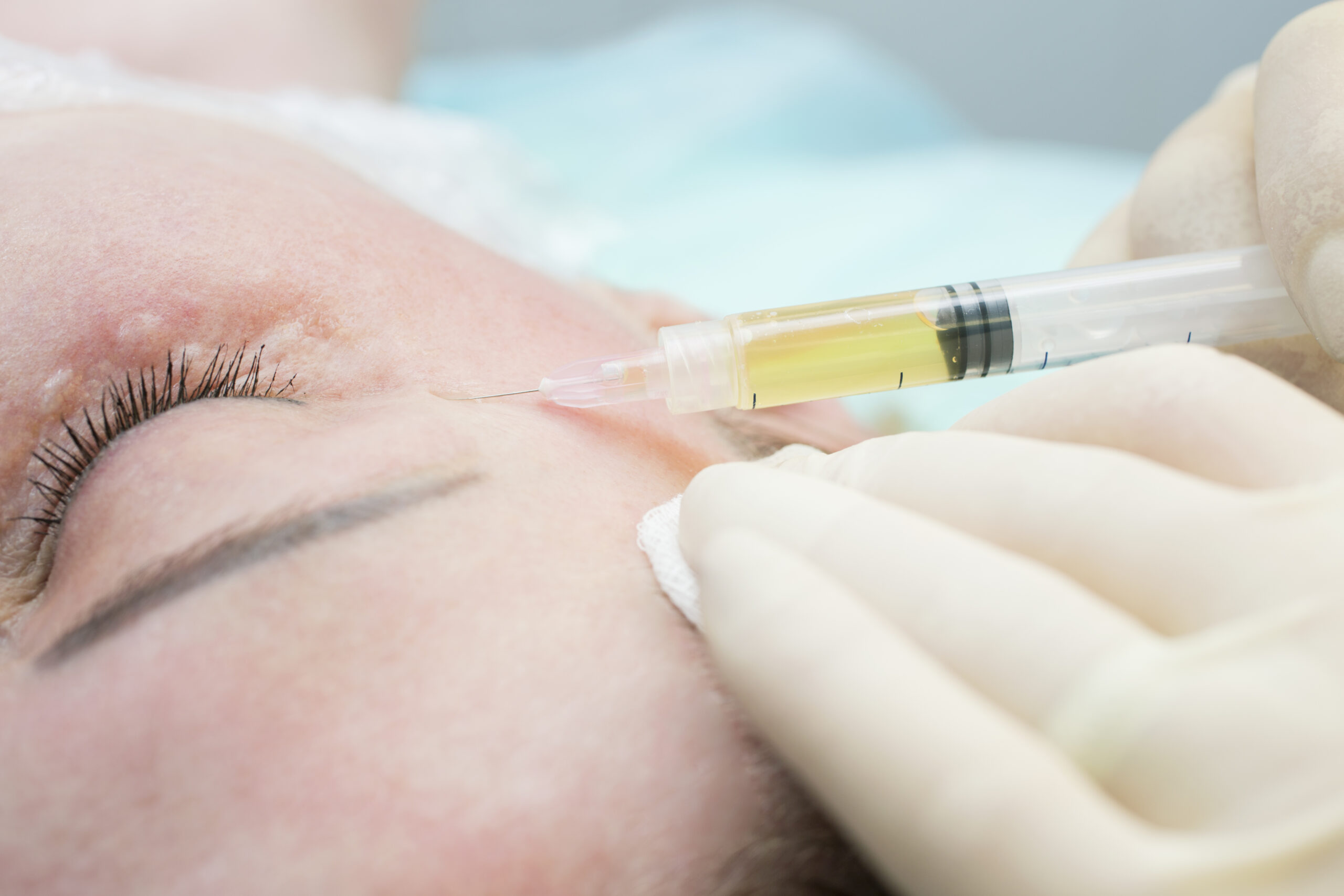
Anti-ageing injections, such as botulinum toxin (e.g., Botox) and dermal fillers, are not only used to treat wrinkles. They can also address various signs of ageing, including volume loss, sagging skin, and uneven skin texture. Some treatments can also stimulate collagen ( Ellanse, Radiesse, HarmonyCa and Sculptra), improve skin elasticity (Polynucleotides), hydrate the skin ( Profhilo), and help scarring (Polynucleotides ) and reduce sebum production (Botox).


There are Different Types of Injections for Different Concerns:

Different types of anti-ageing injections are available, each designed to target specific ageing concerns. For example, Botox is commonly used to relax facial muscles and reduce wrinkles, while dermal fillers add volume and smooth out lines and wrinkles. Skin Boosters often improve the hydration and the amount of collagen in the skin. There are also collagen stimulators ( Ellanse, Radiesse, HarmonyCa and Sculptra), which can improve the collagen and elastin in the skin, and some also improve facial volume.


Anti-Ageing Injections have Preventive Benefits:

Anti-ageing injections are not just for treating existing signs of ageing; they can also be used preventively to slow down the formation of wrinkles and other age-related changes. Starting treatments earlier can help maintain a youthful appearance over time.


Temporary Results:

The results of anti-ageing injections are nearly always temporary. While Botox typically lasts for three to four months, the duration of dermal fillers can vary depending on the type used and individual factors. Collagen stimulates can last around two years, while skin boosters last around six months.


Minimal Downtime:

Anti-ageing injections are minimally invasive procedures that require little to no downtime. Most people can resume normal activities immediately after treatment, although temporary redness, swelling, or bruising at the injection site may occur.

This being said, we do not recommend you have this treatment just before a special event. It is essential to leave at least a few days gap after treatment in case you experience any bruising or swelling.  We also recommend not having these treatments for the first time just before a special event. Like anything else you do for a special event, you must plan, know what to expect, and, if possible, have your first treatment well in advance to ensure it delivers the effect you want for the special day.


Anti-Ageing Injections Deliver Gradual Results:

While some improvement may be noticeable shortly after treatment, the full effects of anti-ageing injections often take several days to become apparent as the muscles relax or the filler settles into place. Also, for best results, a sequence of treatments is often required.


Combination Treatments:

Sometimes, for best results, you may require a combination of anti-ageing treatments, such as using Botox to relax wrinkles and dermal fillers to restore volume, as well as skin rejuvenation treatments to achieve the results you were hoping for. The later you start in life, the more treatments you may need to see an improvement.


You May Require Maintenance Treatments:

Repeat treatments are usually necessary to maintain results. We usually recommend regular touch-up appointments every 3 to 12 months, depending on the treatment and your skin’s needs.  This is to deliver ongoing improvements and also to prevent the return of wrinkles and volume loss.


Potential Side Effects:

While anti-ageing injections are generally safe, they can cause side effects such as bruising, swelling, redness, and temporary muscle weakness. More severe complications are rare but can include infection or allergic reactions.


Anti-Ageing Injections are Not Suitable for Everyone:

Some individuals may not be suitable candidates for anti-ageing injections.

Sometimes, the results some people want cannot be achieved with anti-ageing injections alone. It is, therefore, important to book a consultation to discuss your concerns and expectations to ensure that you are suitable for treatment. During the consultation, your medical practitioners can discuss alternative options to help you decide if these treatments are for you.

Some people are not suitable due to medical conditions, medications and allergies. Pregnant or breastfeeding women should avoid these treatments. Before your treatment, we recommend a consultation to discuss your medical history and health to ensure you are medically suitable.


Who Provides Anti-Ageing Injections at Cheshire Lasers

Treatments are performed by the following Doctors and Nurses at Cheshire Lasers:

Dr Teri Johnson part time GP partner Aesthetic Medicine and also the Medical Director and owner of M C Treatments.
Moira Grobicki Advanced Nurse Practitioner of Jouvence Aesthetics.
Dr Kyra Drinnan is a GP Partner with an interest in Aesthetic Medicine.
Dr Kathryn Hazlehurst a GP trained in Medical Aesthetics and owner of Dr Hazlehurst Aesthetics.
Katey of Nevaeh Aesthetics an Aesthetic Nurse and a local community nurse with an interest in Aesthetic Medicine..

 

pHformula Anti-ageing Facial and Resurfacing Treatments


pHformula anti-ageing facial and resurfacing peel treatment


What are pHformula Anti-Ageing Treatments?

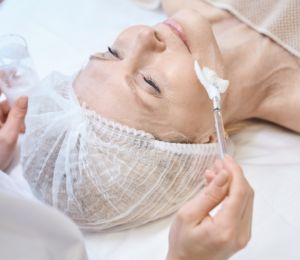
pHformula Antie-Ageing Treatments include home products, clinic prescription facials and resurfacing treatments.  They can improve a range of skin problems, including fine lines and wrinkles, pigmentation and photoaging appearance. They brighten the skin as well as improve the elasticity, texture and tone of the skin.


pHformula Anti-Ageing Home Care

Cheshire Lasers highly recommends the pHformula anti-ageing home care products. You can use them on their own, but they work best when combined with the pHformula facials and resurfacing treatment.

The skin resurfacing home care kits contain fundamental products to enhance your overall results. The A.G.E. home care kit offers a complete skin resurfacing regimen for ageing skin and includes the following products:

A.C.T.I.V.E. formula 20ml
A.G.E. recovery 30ml
E.X.F.O. cleanse 100ml
P.O.S.T. recovery cream 50ml


pHformula Anti-Ageing Facial

Our pHformula Facial allows you to try our amazing pHformula products in a facial treatment using a combination of products specially chosen to suit your skin concerns.

pH formula products are between that of a cosmeceutical and a medical prescription treatment. Their philosophy is to treat the ‘inside out’ as their products contain a unique delivery system that allows them to target the cells deep in the skin.

The Facials involve the following steps:

Step 1:
Cleanse using EXFO cleanse. Provides gentle exfoliation.

Step 2:
Degrease the skin using SKIN primer. This will guarantee optimum penetration of other products.

Step 3:
(OPTIONAL) LED light therapy for 25 minutes. Red, blue and Infrared light provides increased energy to cells, stimulating collagen and elastin production. This also boosts the skin’s circulation, speeds up tissue repair and increases the production of new skin cells.

Step 4:

Exfoliation using DERMABRASION cream. Provides mild skin resurfacing to assist in cell renewal, reducing the appearance of fine lines and wrinkles.

Step 5:

HYDRA GEL mask, PEPTIDE mask applied or the ADVANCED peel-off selected to treat your skin type and problems. 

Step 6:

VITA C activator and power OR TDS Solution.

VITA C helps to improve uneven pigmentation and increases cell turnover.

TDS helps to firm, lift and revitalise delicate skin and to enhance collagen building and skin elasticity. 

Step 7:

POST-recovery cream hydrates the skin but also has anti-inflammatory and antioxidant properties.

Step 8:
SPF  50+ 

pHformula Anti-Ageing Facial

Our pHformula resurfacing treatments include the A.G.E. solutions, which come in various strengths. We can choose a range of different products for each treatment according to your skin sensitivity. As your skin improves and becomes more tolerant of the treatments, we can layer more products to achieve optimal results.


How Much Are Anti-Ageing Facials and Resurfacing Treatments?

View our pHformula treatment prices here.


How Do I Book an Anti-Ageing Treatment?

To book an anti-ageing resurfacing treatment, you can either book an anti-ageing facial first, and we can assess your skin, do a skin sensitivity test, and plan your resurfacing treatment 2 to 5 weeks later. Alternatively, you can book a consultation, mini facial and skin sensitivity test here.

Book your anti-ageing facial here.

Book a consultation, mini facial and skin sensitivity test for a resurfacing treatment here.

Marionette Line Treatments by Dr Kyra Drinann


Marionette line treatment br Dr Kyra Drinnan at Cheshire lasers Middlewich


What are Marionette Lines?

Marionette lines are creases that form from the corners of your mouth down towards either side of your chin. People often complain that they make them look sad, as the mouth turns down at the corners. They get their name as they resemble the appearance of marionette string puppets.


Why am I Getting Marionette Lines?

Marionette lines have multiple causes. They appear with advancing age due to volume loss in the face’s underlying structures. The commonest structures are bone and fat. As the face loses volume, gravity pulls the overlying skin down, and Marionette lines can start forming.

A contributing factor may also be the increasing strength of the muscles at the corners of the mouth, which pull the angle of the mouth down. Marionette lines develop more quickly due to lifestyle factors that reduce the skin’s collagen production, such as smoking and excess sun.


Are Marionette Lines Hereditary/Genetic?

You may have a genetic predisposition to developing marionette lines due to your underlying facial shape and the amount of volume loss you develop due to age. But as stated above, other factors also have an influence. Therefore, it is important to maintain the skin’s collagen levels by taking care of your skin, avoiding smoking and using sunscreen daily.


Will Marionette Lines Improve with Weight Loss?

Not usually; in fact, weight loss is usually a contributing factor in developing marionette lines. Weight loss can lead to volume loss in the face which then causes the soft tissues and skin to descend, causing the lines to look worse.

However, you may find that if you have gained a lot of weight recently, the distribution of fat around the face, particularly the jowl and neck area, may add to the gravitational pull of the lower face, making the Marionette lines more evident. In this case, weight loss may improve them.


Can Marionette Lines be Corrected/Treated/ Improved?

There are many ways to improve these lines, depending on the underlying cause and severity.

The area’s anatomy is complex, and treatment of this area will require a consultation first to assess the cause of your problem and give you a bespoke treatment plan.

The following treatments are the most successful, although for more severe lines, you may need a combination of several treatments for the best result:

Here at Cheshire Lasers, we only perform Dermal Fillers, Botox and Collagen induction therapies however, we will advise you if we feel other treatments are more appropriate.


How do Dermal Fillers Treat Marionette Lines?

Dermal Fillers can help improve this area in many ways.

Replace Volume Loss and Create a Lift

Dermal Fillers injected deep replace volume lost from the deep structures of the face, such as the cheek, chin and jawline. This creates support for the soft tissues of the face which can create a lifting effect that lifts the skin and improves the lines.

Supporting Sagging Skin

Dermal fillers can also improve the lines by injecting under them. Injections under the skin create a  hydrating and plumping effect on the tissues under the lines, allowing the skin to support the sagging tissues below.

Can marionette lines be filled?

Yes, dermal fillers can add support to the facial structures, which, in turn, can help reduce Marionette lines. Fillers can also be added directly into the lines more superficially.


How can Botox Improve Marionette lines?

If you have overactive muscles pulling down the lower face. Botox is a treatment option; it reduces the downward pull at the corners of the mouth, which can help reduce the appearance of Marionette lines and create a subtle lift to the corner of the mouth.


How do Collagen Induction Therapies Improve the Lines?

Collagen induction therapies such as skin boosters, polynucleotides, microneedling, chemical peels and radiofrequency microneedling can help tighten the skin and improve skin quality. Full-face treatments deliver the best results as they can create a general lift that reduces the marionette area’s downturn and improves the skin’s support in the problem area.


Before and After Marionette Line Treatment with Dermal Filler

Marionette line treatment Cheshire Dr Drinnan


Content created by Dr Kyra Drinann at Cheshire Lasers Clinic, Middlewich.


Dr Hazlehurst Aesthetics


Dr Kathryn Hazlehurst Medical Aesthetics.


Dr Kathryn Hazlehurst MBCHB MRCGP is a GP trained in Medical Aesthetics. She is registered with the GMC and is from Holmes Chapel, Cheshire.

Dr Hazlehurst trained with the Harley Street Institute in anti-wrinkle (Botox) injections and dermal fillers in Medical Aesthetics in 2022 and, since then, has attended multiple treatment courses to perfect her knowledge and skills. She joined the Cheshire Lasers team at Cheshire Lasers as an associate in January 2024. She owns her own business, Dr Hazlehurst Aesthetics, focusing on high-quality, natural results to boost natural-looking beauty.


Dr Kathryn is trained to treat the following areas with wrinkle-relaxing injections:

  • The Frown
  • The Forehead
  • The Eyes / Crow’s Feet
  • Excessive Sweating for the underarms
  • Masseter for  jawline slimming
  • Lip Lines
  • Gummy Smile
  • Nasal Flare
  • Platysmal Neck Bands
  • Bunny Lines
  • Chin Creases / Pebble Chin

Dr Hazlehurst is trained to treat the following areas with Dermal Fillers:

  • Lips
  • Lip Lines
  • Marionette Lines
  • Nasolabial Lines (Nose to Mouth)
  • Cheeks
  • Mid Face
  • Jawline and Chin
  • Tear Trough
  • Temples

She uses a range of dermal fillers, but uses Stylage the most.


She also performs the following procedures:

  • Skin lesion Removal (skin tags, Campbell de Morgan spots, milia, facial thread veins, spider naevi)
  • Cryotherapy: warts, seborrhoeic keratosis, pigment patches
  • Skin boosters, including seventy Hyal and Profhilo
  • Microsclerotherapy for leg thread veins
  • Polynucleotides
  • Microneedling
  • Aqualyx fat dissolving
  • Skin Peels

Appointments with Dr Hazlehurst are available:

  • Mondays 9.00 till 6 pm
  • Tuesdays:  9.30 am til 2.45 pm
  • Wednesdays 9.00 till 1 pm

Dr Hazlehurst is also available at other times occasionally by prior arrangement.

Dr Hazlehurst only provides treatments for adults 18 years and above. She does not perform skin lesion removal for under-18s.


To book, phone 01606 841255 or book appointments online here:

Book an appointment with Cheshire Lasers


View Dr Hazlehurst’s Prices:

Consultations

£50 taken off the price of your first treatment with her.
She can perform selected treatments at the same time as the consultation. ( Skin lesion removal and Botox)

Botox

Botox 1 area £170
Botox 2 areas £220
Botox 3 areas £260
Botox 4 areas £300
Men require higher doses £30 extra / area due to larger muscles
Botox Additional Areas £60- £100 depending on the area
Cosmetic Toxin treatment for Jaw slimming  £295
Botox Platysmal Bands / Nefertiti Lift £295
Botox treatment for excessive sweating for Sweating Underarms £380
Eyebrow arch lift £190
Lip Flip £90
Nose Tip Lift £170
Gummy Smile Correction £190

Dermal Fillers

Lips From £260
Smokers Lines From £260
Cheeks From £295
Jaw Line From £420
Chin Enhancement From £295
Nasolabial folds (nose to mouth lines) From £290
Marionette lines (mouth-to-chin) From £290
Tear Trough Filler From £420
Temple Rejuvenation From £420
Forehead Filler PAO
Aqualyx Fat Dissolving Injections From £300

Microsclerotherapy leg thread vein treatment.

Microsclerotherapy Consultation

£50 to assess vessels,measure legs advise on graduated compression and vascular health.

The £50 is redeemable against your first treatment.

Microsclerotherapy

£300 / Treatment (for thread veins on legs)
A course of three is often needed.

Skin Boosters

Profhilo 2ml Treatment From £290
Seventy Hyal skin boosters From £170
Hydro max From £260
Polynucleotides From £290
Course of 3 polynucleotides £699
Chemical Peel Medical Grade. £75

Microneedling

£160

Skin Lesions

Cryotherapy

Seborrheic Keratosis From £150
Warts From £100
Verrucas From £100
Skin Tags From £100
Benign Pigment Patch From £100
Additional lesions From £55
Repeat Treatments at four weeks From £50
Electrocautery
Removal / Treatment of Skin Lesions such as Skin Tags, milia, Sebaceous Hyperplasia, Xanthelasma, Dermatosis Papulosa nigra, spider naevus/ Campbell de Morgan spots and thread veins
One or Two Lesions /one small patch of thread veins £140
Follow-up treatments for one Lesion £80
Additional Lesions £80 extra for each one.
Depending on size and amount.

Electrocautery for multiple lesions:

Full face
£340
Full Neck
£340
Half Back £340
Both Armpits £340


Which Treatment is best for the under eye area Polynucleotides or Tear Trough Fillers?


Polynucleotides treatments like Plenhyage, Plinest & Nucleofill


Under Eye Rejuvenation Treatments: Polynucleotides vs Fillers

Are you confused about under-eye injectable treatments?
Dr Teri Johnson explains the difference between two popular eye treatments, the pros and cons, and which concerns they treat the best.


Advantages of Polynucleotide (PN) Treatments:

Polynucleotides are often the most popular treatment for treating the under the eye. This is due to their regenerative nature, which provides natural-looking results perfect for addressing the problems seen under-eye area.

Here are some reasons why PN treatments may be favoured above tear trough fillers under the eye:

Tissue regeneration:

PN treatments stimulate the body’s natural regenerative processes, promoting collagen production and skin rejuvenation. This can help improve skin texture, elasticity, and overall appearance under the eyes, addressing concerns such as fine lines, wrinkles, and skin laxity.

Natural results:

PN treatments can provide more subtle and natural results than tear trough fillers, which can sometimes lead to overfilling or an unnatural appearance. By enhancing the body’s natural collagen production, PN treatments can yield more subtle and gradual improvements that blend seamlessly with the surrounding skin.

Non-invasive approach:

PN treatments are typically administered through minimally invasive injections, making them a preferred option for individuals who prefer non-surgical or minimally invasive procedures. This can result in minimal downtime and reduced risk of complications compared to tear trough fillers, which involve the injection of dermal fillers into the delicate under-eye area.

Long-term benefits:

While tear-trough fillers may provide immediate results, their effects can be temporary, requiring repeated treatments to maintain the desired outcome. In contrast, PN treatments can yield more sustained and long-term benefits, promoting natural collagen production and skin regeneration.

Safety profile:

PN treatments generally have a favourable safety profile, with minimal risk of adverse reactions or complications when administered by a qualified healthcare professional. This makes them a safer option for individuals concerned about the potential risks associated with tear trough fillers.


Disadvantages of Polynucleotides

While polynucleotide (PN) treatments have shown promising results in skin rejuvenation, there are disadvantages that individuals should be aware of before undergoing this procedure.

Limited immediate results:

Unlike some other cosmetic procedures, the results of PN treatments are not immediately apparent. It takes time for the body to respond to the treatment and for the desired improvements in skin texture and appearance to become noticeable.

Temporary nature of results:

While PN treatments can stimulate collagen production and promote skin rejuvenation, the results are not permanent. To maintain the desired outcomes, individuals may require multiple treatment sessions over time, which can involve ongoing time and financial commitments.

Varied individual responses:

The effectiveness of PN treatments can vary from person to person, depending on factors such as skin type, age, and overall health. Some individuals may experience more significant improvements than others, and the degree of response may not be predictable.

Cost considerations:

PN treatments can be relatively costly, especially when considering the need for multiple treatment sessions to achieve and maintain the desired results.


Advantages of Tear Trough Fillers

Tear trough fillers are a popular choice for addressing hollowing under the eyes. This is due to their ability to provide immediate and visible skin lifting.  Tear trough fillers are preferred under the eye for the following reasons:

Immediate results:

Tear trough fillers provide immediate volume correction by filling the hollow under the eyes. This quick and noticeable improvement is highly desirable for individuals seeking immediate results.

Targeted Lifting of Hollowing:

Tear trough fillers lift depressions under the eyes, reducing the appearance of under-eye hollows.

Customisable treatments:

Tear trough fillers allow for precise and customisable treatments tailored to the unique anatomical needs of each patient. A suitable individual filler can achieve a natural lift to improve the hollow under the eye area.


Disadvantages of Tear Trough Fillers

While tear trough fillers can effectively treat under-eye hollows, there are disadvantages to their use. It is, therefore essential for individuals considering this treatment to be aware of these factors.

Risk of complications:

While tear trough fillers are generally safe, there is a risk of potential complications. These include the common ones such as bruising, swelling, redness, or infection at the injection site. However, in rare cases, more severe complications like vascular occlusion can occur. An occlusion can cause skin ulceration and facial tissue damage, rarely lead to blindness.

Need for a high level of expertise:

For a successful tear trough filler treatment, you need a practitioner with experience. They need an excellent understanding of facial anatomy and understand how and where to treat delicate under-eye area. In inexperienced hands, there is an increased risk of improper placement, asymmetry, or overfilling, leading to an unnatural appearance.

Risk of nodules or lumps:

Individuals may sometimes develop small nodules or lumps at the injection site following tear trough filler treatment. You can sometimes massage these away, but your qualified practitioner can also dissolve them.

Filler Migration:

Tear trough fillers can migrate, causing unwanted swelling and puffiness in the nearby area. This can occur days to years later, and the swelling can last several years unless it is dissolved with hyaluronidase. Even when the treatment is performed in the most experienced hands, filler can easily migrate from the injected area.  No barrier holds the filler in the tear trough area, so it can move outside of the hollow area over time.

Longevity of the Filler.

While tear trough fillers offer immediate results, it is essential to note that their effects are temporary, typically lasting anything from six months to a year. However, some filler can remain in the treated area for several years. In fact, some MRI studies have shown filler can remain even five years after treatment.

In contrast, PN treatments may offer longer-term benefits by stimulating collagen production and promoting skin rejuvenation. Polynucleotides do not stay in the skin for long and do not cause side effects later down the line. Should they migrate, they simply stimulate rejuvenation/revitalisation in the area.


How do you decide which treatment is for you?

The choice between tear trough fillers and PN treatments depends on individual preferences and their specific concerns. A comprehensive consultation with a specialist who understands the treatments can help determine the most suitable treatment. They will need to examine you, assess your anatomy and concerns and discuss with you how best to achieve your aesthetic goals.

At Cheshire Lasers, the following Doctors and Nurses perform Polynucleotide treatments and tear-trough fillers. If you are considering a treatment, we recommend you book a consultation with one of them to assess your concerns.


Do you prefer a non-injectable under-eye treatment?

Cheshire Lasers also provides under-eye treatments using medical devices such as HIFU, Radiofrequency, and CACI.

Find out more about these treatments here.


Cheshire Lasers Reviews

Thinking of visiting Cheshire Lasers ?

Look at our reviews and let our customers help you decide.

To publish a review about a treatment you have recently experienced at Cheshire Lasers, please visit one of the following sites:

Reviews.co.uk an independent review website

Cheshire Lasers Facebook page, if you have a Facebook account

Cheshire Lasers Google page if you have a Google account


You can view the latest Reviews received by Cheshire Lasers here:

Aqualyx


Aqualyx FAT dissolving treatments


What is Aqualyx?

AQUALYX™ is a solution developed for the non-surgical reduction of localised fat under the skin. It is an injectable solution that dissolves fat and is biocompatible and biodegradable.  it provides a form of injection lipolysis, also known as lipotherapy or intralipotherapy.

Aqualyx is a compound solution from the deoxycholate family. It works as a slow-release system, which results in minimal side effects. Deoxycholic acid has been used in various fields of human medicine since its discovery. Present also in the human body; deoxycholic acid emulsifys fats for absorption in the intestine.

It has been available internationally since 2009. The manufacturer advises that 2,000,000 vials have been used for patient treatments in 40 countries worldwide.

Aqualyx is manufactured by the Italian firm Marllor and was first launched in the UK in 2013.

It is a medical device that was given a European CE Mark in December 2012.


How does Aqualyx work?

After injecting Aqualyx solution into the fatty area of concern, the cell membranes become more permeable. The fat cells then start to balloon and break up, leading to the drainage of microdroplets of fatty liquid into the body. The body then metabolises or excretes the fat.


What happens during treatment?

After injecting local anaesthetic in the treatment area, the Aqualyx solution is injected into the problem area.


How long does an Aqualyx treatment take?

The time taken for a treatment session will depend upon the size of the area.
Treatment can take between 30 – 60 minutes


How many Treatments will I need?

Most people require 2 – 8 treatments, four weeks apart. Some people may, however, see significant results after 1 or 2 sessions.

Treatment for smaller fat pockets underneath the neck and chin, for example, may require 1 – 3 treatments, while treatment for fat pockets on the hips and thighs may require eight treatments.


Which areas can Aqualyx treat?

Aqualyx can treat stubborn fat pockets in a number of areas that are difficult to remove through diet and exercise alone.

Body areas include:

  • Hips
  • Outer Thighs
  • Hips ( love handles)
  • Stomach
  • Arms

Facial areas include:

  • Double Chin
  • Jowls

Aqualyx is not a weight loss solution.


How long do the results of Aqualyx last?

The results of an Aqualyx treatment are permanent if you don’t gain weight.

Once the fat cells are broken down, they don’t reappear.
However, the procedure is only permanent if you follow a healthy diet and exercise frequently following treatment. If you regain weight, it is likely that the fat pockets will reappear. If you maintain a healthy lifestyle, the results should be permanent.


Side effects & risks of Aqualyx

People treated with AQUALYX will typically experience minimal side effects when compared to more invasive procedures, such as liposuction.

After each treatment, expect the following in the treatment area for four to six days:

  • swelling
  • redness
  • skin irritation
  • tenderness
  • slight bruising,

Some people may need to take over-the-counter pain relief to ease the initial discomfort

The manufacturers report no major side effects from AQUALYX.


Contraindications for Treatment

As long as you are generally healthy and don’t have any skin diseases or infections in the area treated, there are few medical reasons why you should not undergo this treatment.
We do not recommend AQUALYX for the following conditions:

  • pregnant
  • breast feeding.
  • lipodystrophy
  • infection
  • acute illness
  • blood thinning medication
  • diabetes
  • severe allergies
  • autoimmune diseases
  • acute or chronic skin diseases in the affected area
  • lymphatic disorders
  • renal disorders
  • keloid scarring
  • any other severe organic diseases.

Your suitability for treatment will be assessed during your consultation with Dr Hazlehurst.


After Care Advice

  • Avoid direct heat (sauna, sun etc) and severe cold and swimming pools for three days.
  • Avoid taking anti-inflammatory drugs (e.g. ibuprofen).
  • Avoid applying makeup to the area for at least 12 hours.
  • Avoid physical exercise for 4 – 5 days.
  • Do not undergo another aesthetic treatment in the same area for two weeks.

Cost of treatment

This treatment is performed by Dr Kathryn Hazlehurst you can view her price for Aqualyx and all her other prices here. 


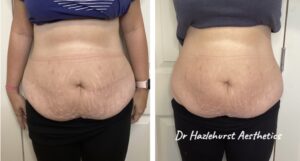
Before and After Aqualyx by Dr Hazlehurst

Aqualyx before and after photo 2 treatments. Dr Hazlehurst Cheshire
Before and after two treatments of Aqualyx by Dr Hazlehurst.


Osteopathy


Signature Health


Ariana Torti from Signature Health provides Osteopathy services here at Cheshire Lasers. She is a Naturopathic Osteopath who specialises in complex health conditions.

Osteopathy is a whole-person approach to health.

As highly trained healthcare professionals, osteopaths take the time to understand your individual history, circumstances and unique physiology so they can provide you with a personalised plan to get you as healthy as possible.

Osteopaths have the expertise and training to provide you with a thorough examination, taking the time to find out as much as possible about your current and past health history. They will also undertake physical examinations to ensure that they can provide the most suitable treatment plan or refer you to other healthcare professionals if required.


Osteopaths do NOT just treat backs!

Of course, they do, but Osteopaths treat all joints and muscle dysfunction in the body, from your head attachment to your neck down to your elbow, knees, ankles, fingers and feet.

Osteopathy is a system of healthcare which includes clinical reasoning, diagnosis, nutritional and lifestyle advice, exercise therapy and hands-on therapy. Osteopaths are highly-qualified healthcare practitioners with a Medical Sciences degree and a specialist knowledge of anatomy and musculoskeletal conditions. Osteopaths are recognised as Allied Health professionals by NHS England (as are paramedics, podiatrists and more). This puts Osteopaths on an equal standing to dentists or physiotherapists and guarantees an equivalent high level of care.

Health Education England (HEE) and the Institute of Osteopathy have published a quick guide to support clinical and workforce leads, operational managers, and any senior leaders who are involved in workforce development to understand the value that osteopaths can bring to productive NHS services and facilitate the best use of the multi-professional workforce.

The Institute of Osteopathy (iO) has teamed up with the NHS and launched iO NHS internships to facilitate the recruitment of more Osteopaths in NHS Musculoskeletal (MSK) Teams.


How can an Osteopath Help me?

Osteopaths have a well-deserved, evidence-based reputation for expertise in treating musculoskeletal conditions, such as back, neck, joint, muscle and arthritic discomfort.

People also visit osteopaths for various other health reasons, including neuromuscular conditions such as sciatica, digestive issues, headaches and migraine prevention.


What can I expect during a consultation?

Osteopaths will take the time to understand your symptoms, medical history and lifestyle, which will help them diagnose the cause of your issue.

You will need to undertake a physical examination. This will often comprise you undertaking some movements and for the osteopath to examine areas to feel for any tightness in the muscles and stiffness in the joints to identify problems.

Sometimes the cause of the problem may be in a different area to the pain. For example, pain in your lower arm may be linked to the nerves in your neck, so they may need to examine your whole body.

Your osteopath may refer you for tests like X-rays, MRIs or blood tests. Occasionally, they may diagnose an issue they cannot treat and refer you to your GP or another appropriate health professional.

As with any health consultation, they will record this confidential information to form part of your health record and store it in accordance with legal requirements for medical data.


What does treatment involve?

Osteopathic treatment often involves manual therapy – a range of gentle hands-on techniques that focus on releasing tension, stretching muscles and improving mobility – together with exercises and helpful advice designed to help you relieve or manage your pain, keep active and maintain the best of health.

Before an osteopath starts any treatment, they will explain what is involved so you can agree and consent to your course of treatment.

Osteopathic treatment is usually a very gentle process. There may be times when you experience discomfort during or experience some mild soreness after treatment. This will normally go away within 48 hours. Your osteopath will let you know if they think that any of the techniques they recommend are likely to be uncomfortable.

If you experience serious or unusual symptoms after treatment, you should contact your osteopath immediately for advice.


What training do Osteopaths have?

 An osteopath must attain specialist degree-level training, either a Bachelor of Science (BSc.) or integrated Masters (MOst.), plus complete over 1000 hours of clinical placements (direct patient contact time).

By law, an osteopath must register with the General Osteopathic Council (GOsC) to practise in the UK.

To maintain their registration with GOsC, osteopaths must meet mandatory continuous professional development (CPD): keeping skills and knowledge up-to-date and maintaining high professional development standards.


Am I too young / too old to see an Osteopath?

Osteopaths are trained in therapeutic approaches that are suitable for individuals of all ages, including the frail and the elderly. Osteopathic care is delivered through various interventions depending on the patient’s needs. This may include referral, health education, manual therapy, exercise therapy and nutrition,
Manual therapy techniques may include articulation and manipulation of joints and soft tissues.

Based on evidence submitted to the Committee of Advertising Practice (CAP) before November 2016, the Advertising Standards Authority (ASA) and CAP accept that Osteopaths can claim to treat the following:

Arthritic pain
Circulatory problems
Cramp
Digestion problems
Fibromyalgia
Frozen shoulder/ shoulder
Elbow pain/ tennis elbow (lateral epicondylitis arising from associated musculoskeletal conditions of the back and neck, but not isolated occurrences)
Headache arising from the neck (cervicogenic)
Joint pains
Joint pains including hip and knee pain from osteoarthritis as an adjunct to core OA treatments and exercise
General, acute & chronic backache, back pain (not arising from injury or accident)
Generalised aches and pains
Lumbago
Migraine prevention
Minor sports injuries
Muscle spasms
Neuralgia
Tension and inability to relax
Rheumatic pain
Sciatica
Uncomplicated mechanical neck pain.


What to expect from an Osteopath appointment with Ariana

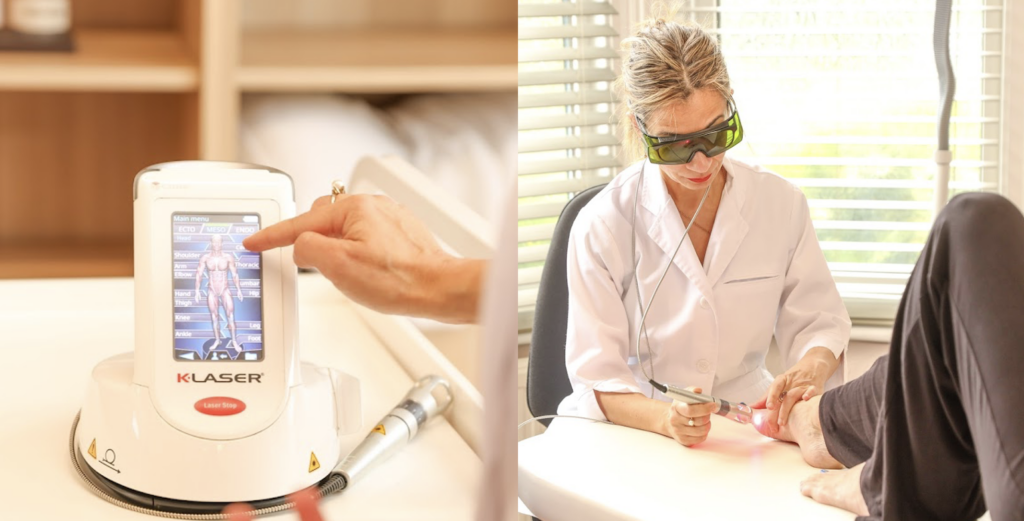
Ariana diagnoses your condition and blends osteopathy, massage, advanced K-Laser therapy, and nutritional support to speed up healing. She empowers patients with graded exercises to build confidence. She keeps you as mobile and healthy as possible in preparation for milestones such as surgery, childbirth or a sporting event.

Ariana enjoys treating patients who cannot afford to be ill. As they feel accountable for their health, they are more likely to make a difference to return to normal.

She tends to treat patients from the age of 14. But primarily sees patients 40 – 80 years old, male or female, with chronic conditions.  Often she sees patients with musculoskeletal pain for more than six weeks. Her patient’s problems often come with many conditions, such as digestive issues.

She loves working with more mature patients offering support and helping them adapt to a longer-term situation. Ariana enjoys offering gentle treatments, typically with K-Laser therapy and gentle mobilisations. She can also offer chair-based fitness if you have an appetite for gentle exercise and fear falling.

Above all, she finds it particularly rewarding to develop a therapeutic partnership with patients who are compliant with treatment frequency and plan.

Ariana looks forward to treating your aches and pains through personalised healthcare.


What is the difference between physiotherapy, chiropractic and osteopathy?

Arian shares the difference between physiotherapy, chiropractic and osteopathy here on her website.


Find out more about Ariana and her treatments and prices here.


K-Laser for Pain


Signature HealthK laser for pain and muscular problems


What is a K-Laser?

K-Lasers are medical devices that utilise specific wavelengths of light known as low-level laser therapy (LLLT) to interact with tissue at the cellular level.

K-lasers help the body heal and have a wide range of uses. It is a helpful tool for improving a range of soft tissue injuries and chronic pain conditions.


What can K-Laser treat?

It can be used to treat the following conditions:

  • Pain Management. It can improve pain from various sources, such as musculoskeletal injuries, arthritis, neuropathy, and fibromyalgia.
  • Muscle Injuries and Strains. K-Laser therapy can help accelerate healing and reduce pain in cases of muscle strains, tears, and overuse injuries. It relaxes muscle spasms and supports tissue repair.
  • Joint Conditions. Arthritis, including osteoarthritis and rheumatoid arthritis, can benefit from K-Laser.
  • Tendon and Ligament Injuries. K-Laser therapy can enhance healing in conditions like tendonitis and ligament sprains by promoting tissue repair and reducing pain.
  • Wound Healing. K-Laser minimises scars in fresh wounds
  • Back and Neck Pain. It can help with pain and stiffness in the back and neck, such as disc problems and spinal stenosis.
  • Nerve Pain (Neuropathy). It can help reduce nerve pain and improve nerve function in cases of diabetic neuropathy, peripheral neuropathy, and nerve entrapment syndromes.
  • Sports Injuries. It can help with common sports injuries like sprains, strains, and ligament tears, promoting quicker recovery and return to activity.
  • Carpal Tunnel Syndrome. K-Laser therapy can help reduce pain and inflammation associated with carpal tunnel syndrome by targeting the affected area.
  • TMJ Pain.
  • Plantar Fasciitis. K-Laser therapy can help relieve pain and inflammation in the foot caused by plantar fasciitis.
  • Postsurgical Recovery. K-Laser therapy can aid in postsurgical healing by reducing pain and inflammation, improving tissue repair, and minimising scar tissue formation.
  • Complex Pain Conditions. Such as interstitial cystitis and prostate pain.

How does K-Laser Work?

1 Reduces Pain

K-Laser therapy can help reduce pain associated with various concerns. The laser’s energy stimulates the release of endorphins, which are natural pain-relieving chemicals produced by the body. This can lead to a reduction in pain perception and an overall improvement in comfort.

2 Reduces Inflammation

Inflammation is a typical response to injury and can be present in some chronic pain conditions. Excessive inflammation can cause pain and also delay healing. K-Laser therapy has been shown to help reduce inflammation by promoting better blood flow and lymphatic drainage, thereby aiding in the body’s natural healing.

3 Faster Healing

K-Laser therapy can enhance the body’s ability to heal and repair.  The laser’s energy boosts the metabolism of individual cells, which leads to faster healing of tissues, such as muscles, tendons, and ligaments.

4 Improves Circulation

The laser can improve circulation, increasing the body’s oxygen and nutrient supply to support healing and repair.

5 Reduces Scar Tissue Formation

K-Laser therapy may help prevent the risk of scar tissue, mainly when applied during the early stages of the healing process. This can lead to better tissue quality and improved range of motion as an injury heals.

6 Muscle Relaxation:

The laser can help relax muscle fibres and reduce muscle tension, improving flexibility and reducing muscle tension and discomfort.


How successful is K-Laser Treatment?

The success of K-Laser treatment, like any treatment, can vary widely. It depends on many factors, including the condition being treated, the severity of the condition, and the individual’s response.

K-Laser therapy tends to be more successful for conditions that involve pain, inflammation, and tissue healing. It may be less effective for conditions with complex underlying causes but can make a significant difference for some individuals.

It has a higher success rate for recent injuries than long-standing conditions.

While K-Laser therapy can benefit injury treatment significantly, it is rarely used on its own. For best effects, it is usually part of a treatment plan that may include a range of other treatments such as Osteopathy and Nutritional Support.


Who Performs K-Laser at Cheshire Lasers Clinic?

Ariana Torti provides K-Laser treatments at Cheshire Lasers.  She is a Naturopathic Osteopath who owns her own Business, Signature Health she practices from a room at Cheshire Lasers Clinic in Middlewich two days a week.

She usually combines K-Laser treatments with Osteopathy and Nutritional Support to help you achieve the best possible outcome.


Find out more about Ariana Torti

Find out more about Ariana Torti and her K-Laser prices at Cheshire Lasers here.


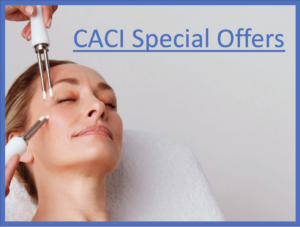
CACI Special Offers


CACI Special Offers Middlewich Cheshire


View Information about Cheshire Lasers CACI Treatments with Anna and Sultana here:


View all the offers available from Cheshire Lasers Staff and Associates here.


  • CACI Eye Revive Treatment £5 Off your first treatment, only £37.50
  • Ultimate Hand Rejuvenation Treatment
    Combine a CACI hand treatment with a Biorepeel
    Only £90
  • CACI add-on treatments
    ( Available with Classic CACI or Super CACI)
    Add on CACI Hand Treatment £20
    Add on CACI and Biorepeel Hand Treatment £60
    Add on a Face Biorepeel for £60
    Add on a Face Hydrotone Hydrating Mask £12
    Add on an Eye Revive Treatment for £37.50