Cheshire Lasers Clinic in Middlewich is excited to now offer the Sunekos 1200 Performa System.
What is Sunekos?
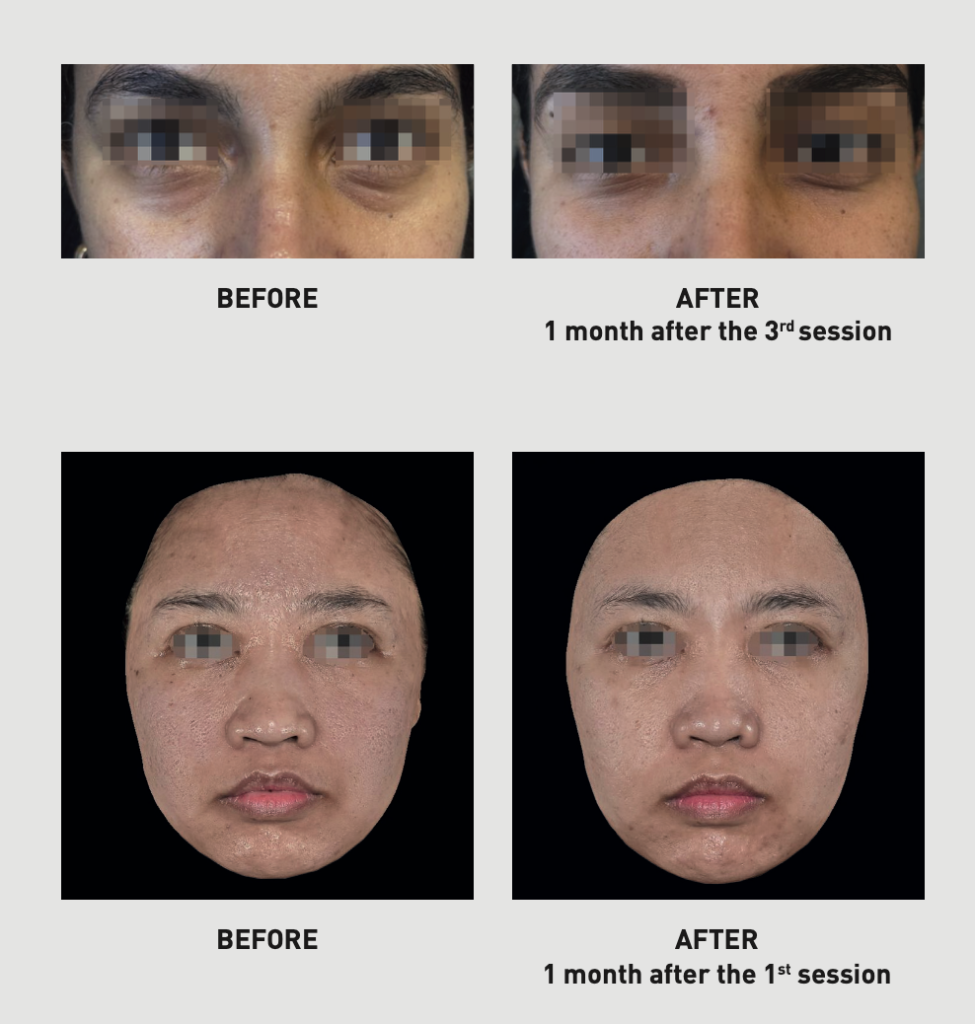
Sunekos is an injectable treatment containing 6 amino acids and Hyaluronic acid. It works by stimulating the fibroblasts in the skin to produce collagen and elastin. Sunekos helps to improve skin ageing, skin dryness, acne scarring, sun damage, loss of tone & elasticity, dark circles under the eyes and fine lines and wrinkles.
It is particularly effective in the periocular (eye) area for reducing fine lines, dark circles, and bags.
Sunekos is a natural product that not only stimulates the synthesis of collagen types 1 and 3 but also supports the synthesis of collagen types 4 and 7, as well as elastin, restoring elasticity and volume to the skin. It is a great option for people who want to improve their skin while maintaining a natural appearance.
Sunekos is also a great option for people who do not want Botox or filler treatments.
I recently had Botox and fillers. Can I still have a Sunekos treatment?
Yes. You can have a Sunekos treatment alongside other treatments to improve the quality of your skin.
Which areas can it treat?
Sunekos can treat the skin on different parts of the face and body, including the face, neck, décolleté, and hands.
Many people opt for a full-face treatment, but it can also be used on localised areas, such as the under-eye area.
It is particularly effective in the periocular area to reduce dark circles and bags, as well as on the forehead.
Sunekos can treat various indications, including loss of tone, skin ageing and premature skin ageing, skin dryness, solar elastosis, acne scarring, sun damage, dark circles under the eyes and fine lines and wrinkles.
What does the treatment involve?
A Sunekos treatment consists of a series of injections in the treatment area.
Depending on the area being treated, the Sunekos Performa protocol typically requires 3 treatments over a 4-week period. (One every 2 weeks)
Each treatment normally takes about 30 minutes.
A small percentage of people may need a 4th treatment 2 weeks later to achieve the best results.
The Sunekos 1200 Performa protocol includes an extra step during treatment 1 to address areas prone to volume loss.
Is there any Downtime?
The procedure has no downtime, and the patient can resume normal activities immediately. You will start to see some improvement after the first session.
You may have some bruising, however, which may take up to a week to resolve.
How long does Sunekos last?
Depending on the patient and their skin condition, results can last up to 6 months before the procedure is repeated.
Who performs this treatment?
Dr Teri Johnson and Dr Kathryn Hazlehurst perform Sunekos treatments at Cheshire Lasers.
Cheshire Lasers Shares Their Quest to Improve Under-Eye Wrinkles:
Cheshire Lasers continues to invest in the latest under-eye treatments. Improving this area is challenging, and the results can be disappointing. We have so many successful solutions for treating or improving other areas of the face. However, the under-eye area has a different story.
Over the years, Cheshire Lasers has invested in numerous treatments and machines, seeking the latest and best treatment for under-eye wrinkles. Sadly, many of them have not fully met our expectations. The treatments either don’t deliver consistently high-quality results for everyone, or they cause too much downtime or discomfort. This does not mean they do not work, because they do, but the results don’t work well for everyone or don’t meet the client’s expectations.
The more aggressive treatments work the best, but some of them can leave you bruised for a week or more, especially when a course of treatments is required.
Which treatments can improve under-eye wrinkles?
Cheshire Lasers offers all of the following Under Eye Treatments.
Most people have heard of Botox; it is excellent for treating dynamic wrinkles, which are caused by repetitive muscle movement. Botox works by temporarily paralysing the muscles that create your wrinkles and fine lines. Treatment of these muscles relaxes them and softens the wrinkles.
Botox is very effective at muscle relaxation (it starts working within a few days), and as long as you do your research and go to a recommended experienced medical practitioner, you won’t end up with the ‘frozen face’ you see in some celebrities.
Botox helps with dynamic wrinkles, commonly known as crow’s feet, but it is less effective when your concern is directly under the eye. This is because these lines are usually due to loss of collagen and skin elasticity, not just repetitive movement.
Cheshire Lasers offers a wide range of injectable treatments that stimulate collagen in the skin to improve skin texture and elasticity under the eyes. They can also help improve puffiness and dark circles, and are now more popular than tear-trough injections.
They all involve a course of treatments and can deliver fantastic results. We also still provide tear trough treatments, but these are only suitable for certain patients, depending on their problem.
Most other under-eye anti-ageing treatments involve damaging your skin to make it heal, repair and then regenerate. The results last for varying lengths of time. Generally, the more aggressive the treatment, the better the results and the longer they last.
There are various ways to damage the skin surface:
Ultraformer MF2 causes injuries just under the skin using ultrasound energy. The high-intensity energy can be focused at the depth we want, causing injury to the collagen. It does not damage the visible upper layer of skin cells known as the epidermis, so there is little downtime.
This treatment could cause some bruising if you are unlucky. It can also cause a bit of redness, which usually goes after an hour or two. Sometimes it can cause slight swelling, which generally lasts hours or a few days if you are unlucky. Ultraformer MF2 usually requires a course of 3 treatments, sometimes more. It is currently the most popular treatment at Cheshire Lasers. The results are typically visible one month after your first treatment, but the result of collagen remodelling, tighter, younger-looking skin can take three months to be fully appreciated.
The Endymed eye treatment uses radiofrequency technology to heat the skin to around 40 degrees Celsius, which is about the same temperature as a hot shower. The collagen in the dermis layer of the skin is heated to a temperature at which it contracts. This triggers healing and repair, producing new collagen that remodels and tightens naturally over time.
The CACI Eye Revive
The CACI Eye Revive Treatment involves low-level radiofrequency technology to stimulate collagen, and it then opens up the skin channels of the skin to encourage penetration of hydrating products from the eye revive mask. It soothes tired, puffy eyes, reduces dark circles, lifts hooded eyes and yes, reduces fine lines and wrinkles.
A one-off treatment can lead you to a refreshed look and is great before a special event. However, a course of treatments delivers the best results.
Neogen uses nitrogen gas, which it converts into plasma energy. This energy improves both the epidermis and dermis layers, stimulating collagen production over time. It is one of the few treatments that can be used on the eyelids as well as the under-eye area.
A course of three or more treatments is required for optimal results, and downtime ranges from a few days to a couple of weeks. These factors depend on the strength of the treatment, which can be adjusted to meet your needs.
Radiofrequency Microneedling involves puncturing tiny holes into your skin, which then delivers an electric current to the collagen layer. This energy damages the skin and underlying collagen, creating newer, younger-looking, firmer skin. The procedure is performed under local anaesthetic, so it is only moderately irritating, despite how it sounds.
The cons: It takes 4-24 hours for the redness to settle. 3 treatments every 5 weeks may be needed for best results, which include brightening, smoothing and fine-line reduction. However, you can take things slowly and have a treatment every few months.
Laser
Resurfacing lasers create trauma to your skin. The most popular one is a CO2 laser. This is often fractionated into small dots to reduce the amount of trauma to the skin and the downtime. There are some downsides to Laser treatment. Your skin will look and feel badly sunburned for a few days to a couple of weeks, depending on the intensity of the treatment. It then goes sandpapery for a week or two. The results can be fantastic as long as you are prepared for the downtime. No pain, no gain, as they say! This treatment is not currently available at Cheshire Lasers. Why not visit The Consulting Room website to see who provides this treatment near you.
How do I know which under-eye rejuvenation treatment is for me?
Injectable treatments can cause bruising and swelling after each treatment.
The more ablative treatments, such as CO2 laser and Plasma, may require fewer treatments but have longer downtime and can be more uncomfortable.
The Ultraformer is a compromise, as it is pretty aggressive in the deep layers of the skin but rarely causes downtime. It can be uncomfortable, but the treatment is quick, so any discomfort is over quickly.
CACI Eye Revive is a very relaxing, enjoyable treatment, but a course of 10 treatments is required once or twice a week.
RF Microneedling is an excellent treatment with excellent results and minimal downtime. However, because disposable equipment is more expensive, performing it is more costly and only cost-effective if you are considering a full-face or face-and-neck procedure.
Neogen Plasma Skin Rejuvenation can treat the eyelids as well as the under-eye area. It can be used to target your areas of concern or the full face. You can have a course of low-level treatments, which cause minimal downtime. Alternatively, a course of medium treatments gives a much more significant amount of downtime but requires fewer treatments to achieve the desired results.
Endymed Facial Tightening with Radiofrequency is also a more enjoyable treatment that feels a bit like a hot stone massage for the face. Maintenance is recommended every six weeks after an initial course of 6 to 8 treatments.
As we age, we lose collagen and elastin in the skin, so the skin loses its capability to bounce back when we move and make different facial expression . Facial expressions are important, but they do put a strain on our skin and its supporting collagen and over time, can cause dynamic wrinkles.
Smoking, sun exposure, diet and genetics also influence how the skin ages.
One study shows that smoking 30 cigarettes daily will add 14 years to your skin!
There are two types of UV rays present in sunlight. UVB is responsible for sunburn, and UVA is responsible for DNA damage and skin ageing.
Sugar may also contribute to premature ageing through glycation. Glycation can damage skin tissues over time, leading to fine lines and wrinkles.
Genetics and our DNA can also play a role in ageing. Often, if your parents and grandparents have great skin, you will, too. However, if they have skin issues like big pores and acne-prone skin, you may also be more susceptible to these issues.
How to prevent wrinkles?
Avoiding smoking, limiting sun exposure and cutting down on sugar will all help to improve your skin health. Eating a healthy, well-balanced diet rich in fruits and vegetables and including oily fish, like salmon, will also improve your skin health. Vitamins and minerals from fruits and vegetables will boost your overall health and give you a glow from within. Hydration is also crucial to keeping your skin healthy and clear, so ensure you are getting enough water throughout the day, too.
Some serums and creams are designed for the eye area that can help prevent more wrinkles.
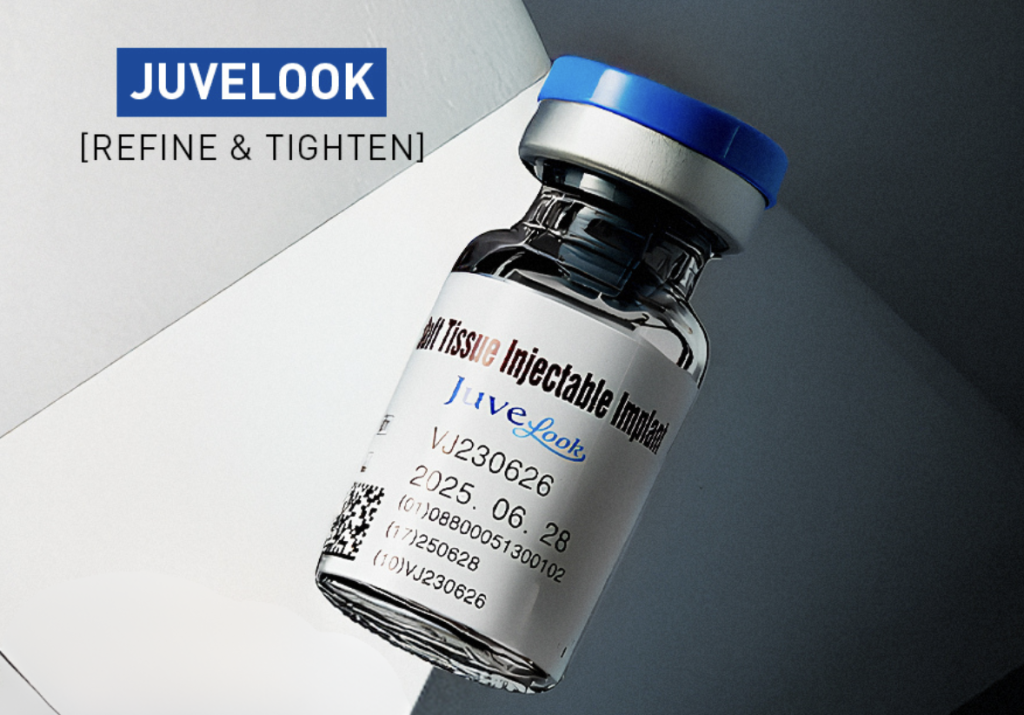
Juvelook is a next-generation skin-boosting, skin-rejuvenating injectable treatment that combines Poly D, L-Lactic Acid (PDLLA) microspheres with hyaluronic acid (HA).
This unique dual-action formula provides immediate hydration and progressive collagen stimulation, helping to improve skin quality safely and gradually.
Juvelook is particularly well-suited to the delicate under-eye area, but it can also be used across the face for general skin revitalisation.
How Juvelook Works
Juvelook has short-term and long-term benefits:
Immediate effect:
The hyaluronic acid gel gives a soft, natural hydration boost.
Skin appears fresher, smoother and slightly plumper right after treatment.
Long-term collagen stimulation
PDLLA microspheres encourage your skin to produce new type I collagen over several months.
This leads to firmer, thicker, and more elastic skin.
Results develop gradually and look very natural.
Why Choose Juvelook?
Safe for delicate under-eye skin
Gradual collagen stimulation with very natural results
Improves crepiness, fine lines and skin laxity
Helps reduce mild hollowing and tired-looking eyes
Enhances overall skin texture, density and elasticity
Minimal downtime
Long-lasting results (typically 12–18 months after a course)
What Areas Can Juvelook Treat?
Juvelook is designed for superficial and delicate areas where traditional collagen stimulators may be too strong. Common treatment areas include:
Under-Eye / Tear Trough Region
Juvelook is particularly effective for:
Fine lines and creasing
Crepey skin texture
Mild hollowing
General loss of firmness
Tired appearance
Full Face & Skin Quality
It can also be used across the face to improve:
Fine lines
Loss of elasticity
Enlarged pores
Dull or thin skin
Early signs of ageing
What to Expect During a Juvelook Treatment
A consultation will assess suitability and create a personalised treatment plan.
Numbing cream may be applied for comfort.
The product is injected using a fine needle or cannula.
Treatment typically takes around 20–30 minutes.
You can return to most normal activities immediately.
Recommended Treatment Plan
For optimal results:
2–3 sessions, 6 weeks apart, are recommended.
Maintenance sessions every 12–18 months.
Aftercare Instructions
To support the best outcome:
Avoid touching or applying makeup to the area for 24 hours.
Avoid strenuous exercise, heat, saunas and alcohol for 24 hours.
Apply SPF daily to protect skin quality.
Minor swelling or redness is common and settles within a day or two.
Avoid massaging the treated area unless advised.
Possible Side Effects after Juvelook Treatment
Juvelook is generally very well tolerated. As with any injectable treatment, possible temporary effects include:
Redness
Light swelling
Pin-prick marks
Bruising
Tenderness
Rare risks include:
Allergic reaction
Infection
Small lumps or nodules
Your practitioner will discuss these with you in detail and advise how to minimise risks.
Who Is Not Suitable for Juvelook?
Juvelook is not recommended in the following:
Pregnant or breastfeeding
Active skin infections or inflammation in the treatment area
Allergic to any ingredients
Certain autoimmune conditions (your practitioner will screen for these)
When Will I See Results?
A freshened, hydrated look may appear immediately due to the HA component.
Collagen production begins to improve gradually over 6–12 weeks.
Full results continue to develop for several months after each session.
Why Choose Juvelook Over Other Under-Eye Treatments?
Gentler than traditional fillers in delicate areas
Lower risk of puffiness or the “Tyndall effect”
Strengthens the skin rather than simply filling
Provides long-term collagen support
Very natural looking
Book a Consultation
If you would like to book a consultation or learn whether Juvelook is right for you, please book a consultation with Dr Teri Johnson, who provides this treatment at Cheshire Lasers.
Under-Eye Rejuvenation Treatments: Polynucleotides vs Fillers
Are you confused about under-eye injectable treatments?
Dr Teri Johnson explains the difference between two popular eye treatments, the pros and cons, and which concerns they treat the best.
Polynucleotide (PN) Treatments
Advantages:
Polynucleotides are often the most popular treatment for treating the under-eye area. This is due to their regenerative nature, which provides natural-looking results perfect for addressing the problems seen in the under-eye area.
Here are some reasons why PN treatments may be favoured above tear trough fillers under the eye:
Tissue regeneration:
PN treatments stimulate the body’s natural regenerative processes, promoting collagen production and skin rejuvenation. This can help improve skin texture, elasticity, and overall appearance under the eyes, addressing concerns such as fine lines, wrinkles, and skin laxity.
Natural results:
PN treatments can provide more subtle and natural results than tear trough fillers, which can sometimes lead to overfilling or an unnatural appearance. By enhancing the body’s natural collagen production, PN treatments can yield more subtle and gradual improvements that blend seamlessly with the surrounding skin.
Non-invasive approach:
PN treatments are typically administered through minimally invasive injections, making them a preferred option for individuals who prefer non-surgical or minimally invasive procedures. This can result in minimal downtime and reduced risk of complications compared to tear trough fillers, which involve the injection of dermal fillers into the delicate under-eye area.
Long-term benefits:
While tear-trough fillers may provide immediate results, their effects can be temporary and may require repeated treatments to maintain the desired outcome. In contrast, PN treatments can provide more sustained, long-term benefits by promoting natural collagen production and skin regeneration.
Safety profile:
PN treatments generally have a favourable safety profile, with minimal risk of adverse reactions or complications when administered by a qualified healthcare professional. This makes them a safer option for individuals concerned about the potential risks associated with tear trough fillers.
Disadvantages:
While polynucleotide (PN) treatments have shown promising results in skin rejuvenation, there are disadvantages that individuals should be aware of before undergoing this procedure.
Limited immediate results:
Unlike some other cosmetic procedures, the results of PN treatments are not immediately apparent. It takes time for the body to respond to the treatment and for the desired improvements in skin texture and appearance to become noticeable.
Temporary nature of results:
While PN treatments can stimulate collagen production and promote skin rejuvenation, the results are not permanent. To maintain the desired outcomes, individuals may require multiple treatment sessions over time, which can involve ongoing time and financial commitments.
Varied individual responses:
The effectiveness of PN treatments can vary from person to person, depending on factors such as skin type, age, and overall health. Some individuals may experience more significant improvements than others, and the degree of response may not be predictable.
Cost considerations:
PN treatments can be relatively costly, especially when considering the need for multiple treatment sessions to achieve and maintain the desired results.
Tear Trough Fillers
Advantages:
Tear trough fillers are a popular choice for addressing hollowing under the eyes. This is due to their ability to provide immediate and visible skin lifting. Tear trough fillers are preferred under the eye for the following reasons:
Immediate results:
Tear trough fillers provide immediate volume correction by filling the hollow under the eyes. This quick and noticeable improvement is highly desirable for individuals seeking immediate results.
Targeted Lifting of Hollowing:
Tear trough fillers lift depressions under the eyes, reducing the appearance of under-eye hollows.
Customisable treatments:
Tear trough fillers allow for precise and customisable treatments tailored to the unique anatomical needs of each patient. A suitable individual filler can achieve a natural lift to improve the hollow under the eye area.
Disadvantages:
While tear trough fillers can effectively treat under-eye hollows, there are disadvantages to their use. It is, therefore essential for individuals considering this treatment to be aware of these factors.
Risk of complications:
While tear trough fillers are generally safe, there is a risk of potential complications. These include the common ones such as bruising, swelling, redness, or infection at the injection site. However, in rare cases, more severe complications like vascular occlusion can occur. An occlusion can cause skin ulceration and facial tissue damage, rarely lead to blindness.
Need for a high level of expertise:
For a successful tear trough filler treatment, you need a practitioner with experience. They need an excellent understanding of facial anatomy and understand how and where to treat delicate under-eye area. In inexperienced hands, there is an increased risk of improper placement, asymmetry, or overfilling, leading to an unnatural appearance.
Risk of nodules or lumps:
Individuals may sometimes develop small nodules or lumps at the injection site following tear trough filler treatment. You can sometimes massage these away, but your qualified practitioner can also dissolve them.
Filler Migration:
Tear trough fillers can migrate, causing unwanted swelling and puffiness in the nearby area. This can occur days to years later, and the swelling can last several years unless it is dissolved with hyaluronidase. Even when the treatment is performed in the most experienced hands, filler can easily migrate from the injected area. No barrier holds the filler in the tear trough area, so it can move outside of the hollow area over time.
Longevity of the Filler.
While tear trough fillers offer immediate results, it is essential to note that their effects are temporary, typically lasting anything from six months to a year. However, some filler can remain in the treated area for several years. In fact, some MRI studies have shown filler can remain even five years after treatment.
In contrast, PN treatments may offer longer-term benefits by stimulating collagen production and promoting skin rejuvenation. Polynucleotides do not stay in the skin for long and do not cause side effects later down the line. Should they migrate, they simply stimulate rejuvenation/revitalisation in the area.
How do you decide which treatment is for you?
The choice between tear trough fillers and PN treatments depends on individual preferences and their specific concerns. A comprehensive consultation with a specialist who understands the treatments can help determine the most suitable treatment. They will need to examine you, assess your anatomy and concerns and discuss with you how best to achieve your aesthetic goals.
At Cheshire Lasers, the following doctors perform Polynucleotide treatments and tear-trough fillers. If you are considering a treatment, we recommend you book a consultation with one of them to assess your concerns.
The CACI Eye Revive treatment is performed by our Cheshire Lasers aestheticians in Middlewich.
The new CACI Eye Revive treatment is a must-have for anyone concerned with ageing around the delicate eye area.
This gentle treatment:
Soothes tired, puffy eyes
Combats dark circles
Reduces fine lines and wrinkles.
Lifts hooded eyes
What is a CACI Eye Revive treatment?
The CACI Eye Revive treatment involves three steps.
Step 1:
This involves micro-current to gently tighten and tone sagging muscles around the eye area whilst reducing the appearance of fine lines and wrinkles.
Step 2:
The treatment then uses serum-filled CACI micro-current eye rollers to infuse the CACI Eye Revive serum deep into the skin. The roller ball is used to perform a drainage massage. The drainage massage helps to eliminate toxins around the eye area these actions help reduce puffiness and dark circles.
The Eye Revive serum contains REGU®-AGE and other clinically effective ingredients which, have been shown to reduce puffiness by up to 31% and dark circles up to 35%.
Step 3:
The deeply nourishing Hydro Eye Mask is then applied to soothe and calm the skin and reduce fine lines and wrinkles further.
The Hydro Eye Mask feels and smells divine. The cooling sensation around the eyes is relaxing and leaves the eyes looking brighter and more hydrated. The mask contains hyaluronic acid, collagen, green tea and cucumber to help plump out fine lines and wrinkles.
While the mask is in place we work over it with the CACI Hydratone rollers. These gently massage the eye area and deliver micro-current through the mask, helping the ingredients absorb while continuing to restore firmness and muscle tone around the eyes.
Am I suitable for a CACI Eye Revive treatment?
The CACI Eye Revive treatment is suitable for all skin types and delivers impressive results to keep you looking fresh and revived.
How many Eye Revive treatments will I need?
Cheshire Lasers recommends a course of ten CACI Eye Revive treatments for optimum results. We also advise you to book the sessions close together; however, a one-off session is also beneficial and the perfect ‘pick me up’. It instantly wakes tired eyes and makes you feel vibrant and confident.
If you have a wedding or a special occasion coming up, a one-off will give a quick lift around the eye area. The perfect confidence boost!
It takes around 35 minutes per session. So you could have one in your lunch break and go back to work all revived!
At Cheshire Lasers, we often combine the CACI Eye Revive with other CACI treatments. The most popular combination is the CACI Jowl Lift with the Eye Revive.
Your first CACI Eye Revive — £42, an introductory offer
Subsequent treatments — £47
Added to another CACI treatment — £42, booked as part of that appointment
Book your CACI Eye Revive
Your first CACI Eye Revive is £42 as a trial price. The appointment allows extra time for a brief consultation about the treatment beforehand, so you do not need a separate consultation first.
If your semi-permanent makeup or microbladed eyebrows have not turned out as you hoped, they can usually be faded. Brows sit in the middle of your face, and most people who come to us have been unhappy with theirs for some time before they ring.
We use a Q-switched laser to break down the unwanted pigment, either across the whole brow or in a smaller area you want changed. It is a gradual process over several treatments rather than a single fix. Everything below explains what is involved, how long it takes and what your brows will look like in between.
How do you remove Semi Permanent Makeup and microbladed eyebrows?
At Cheshire Lasers, we use our Lynton Lumina Q Switched laser to remove semi-permanent makeup eyebrows and micro-bladed eyebrows. This is the same machine we use for removing conventional tattoos. Unfortunately, it is not possible to remove eyeliner or lip liner this way.
Can you correct an area instead of removing the entire brow?
Depending on your concern, we can treat small areas to correct your eyebrows, or we can treat the whole eyebrow.
How does laser Semi Permanent Makeup removal work?
The laser cracks the semi-permanent makeup pigment tattooed into the skin to create smaller pigment particles. The body then breaks down these smaller particles and removes them slowly over time.
How often will I need treatment?
We normally recommend a treatment every 6 -12 weeks. This depends on how quickly you want it to fade.
How many treatment sessions will I need?
Most people need between 3-6 treatments. This will depend on whether you want the pigment to fade or go completely.
What unwanted effects can happen?
The commonest unwanted reactions often seen after laser treatment of semi-permanent make-up are:
eyebrow hair reduction
a change in the colour of brow pigment
Approximately 10% of the eyebrow hairs can be destroyed due to the laser treatment. Although we move these hairs out of the way during the removal process to prevent this as much as possible. In most cases, these hairs grow back, but the outcome varies from person to person. Eyebrow hairs can also temporarily go paler, but you can tint these a week after the treatment.
The laser oxidises the pigment in the skin during treatment; when this occurs the pigmentation can change colour. Depending on the pigment, it can go darker in colour, or the colour can change to an orangey/rusty colour. Once the pigment is oxidised it can then be treated in subsequent treatment.
What will my brows look like after treatment?
You may see frosting and whitening of the pigment immediately after treatment, it is also common to see some pinpoint bleeding and some swelling. The reaction usually settles after 1-2 weeks.
How long after removal before I can have new Semi Permanent Makeup?
After laser treatment, we recommend you wait 8-12 weeks before commencing treatment.
Please ask us the exact time we recommend you wait as this will depend on many factors.
How soon after having my brows done can they be removed?
It is common for us to get an enquiry a day a or two after a brow treatment. This may be because the results are asymmetrical, poor shape, too dark, or just a poor result.
Given that brows are central and frame the face, even minor technical errors can be impactful, leading patients to seek rapid corrective treatment.
Unfortunatly we need to wait a minimum of 6–8 weeks after the original treatment before commencing laser removal.
Why is this delay necessary?
The epidermis must be fully restored to reduce the risk of blistering, scarring, and dyspigmentation.
Cosmetic pigments oxidise and settle over several weeks; treating too early can cause unpredictable colour shifts (e.g., red, orange, or yellow).
Swelling and erythema post treatment increases the risk of adverse effects.
Brows often appear darker for 7–14 days post-procedure; premature removal may be unnecessary.
How much is laser treatment of Semi Permanent Makeup?
Treatment
Price
Consultation and patch test
£30
Brow correction, treating a small area of the brow
£66
Full brow treatment
£78
Prices are per session, and most people need between three and six treatments. The patch test must be carried out at least seven days before your first treatment.
Cheshire Lasers is excited to now have the Ultraformer MF2 wrinkle treatment.
The sensitive and shallow regions around the eye, the mouth and the forehead can now be treated with ultrasound technology with ease due to the newly developed MF2 Ultraformer Treatment.
What can the MF2 Ultraformer Wrinkle Cartridge treat?
The great news is that we can improve fine lines and wrinkles with only one treatment. However, we recommend a course of around three treatments for best results. Different people respond differently and have different skin needs and starting points.
We have treated upper lips with the Ultraformer MF2 with considerable success so far. This is an excellent treatment for smokers lines and would suit someone who is afraid to have Dermal Fillers but wants improvement to the area with no downtime.
This treatment is also suitable for someone who has had fillers in that area already, and the lines are starting to come back, but they are not ready for more fillers.
The Perioral Area
The area in the image is treated to improve fine lines and wrinkles. This treatment improves the smoker’s lines and the cobblestone effect that can occur in this area due to age and sun damage.
The Under Eye Area
We have seen impressive results after treating the under-eye area with the Ultraformer MF2.
This area is challenging to improve; previous treatments often required many repeat sessions and provided only slight improvement, or were too invasive and required extended downtime.
MF2 treatment may require only three treatments, with no downtime.
You can also treat the crow’s feet and part of the upper eyelid with this treatment.
The treatment feels like warm pulses of ultrasound energy, which may feel uncomfortable for some people. The treatment around the mouth and perioral areas may make the teeth feel momentarily sensitive.
How many Ultraformer MF2 treatments will I need?
Some people will see a small improvement after one treatment but generally, we recommend a course of 3 treatments once a month. However, this depends on the severity of the condition and each client’s collagen stimulation response.
At Cheshire Lasers, we have found fine lines and wrinkles that have been there a few years have needed 2-3 treatments. Whereas lines that have been there many years have required at least 5 or 6 procedures.
Can I have the Ultraformer MF2 treatment if I have Botox or fillers?
The MF2 treatment is an alternative treatment to fillers; however, it can be used alongside a filler treatment to create even better results.
If a dermal filler is in the treatment area, we ask that you leave three months for the filler to integrate with the tissues before having an Ultraformer treatment. For Botox, the MF2 treatment can be performed in the same area 2 weeks after the injections.
How long will the Ultraformer MF2 results last for?
After the final treatment session, it will take 60-100 days for collagen to stimulate and for full results to become visible. The results can last up to 12 months. However, most people like to have a maintenance treatment every 2-4 months.
Are there any side effects to the Ultraformer MF2 treatment?
Common side effects after the treatment are redness and swelling. This normally reduces within a few hours, and you can go back to your regular daily activities straight away.
Bruising can occur, which is more likely around the eye area.
Am I suitable for an Ultraformer MF2 treatment?
We do not recommend the Ultraformer treatment if you are pregnant or breastfeeding.
If you have teeth implants in the treatment area or metal braces. However, Invisalign braces, veneers and fillings are all fine.
Prices for the Ultraformer MF2 Wrinkle Treatment:
Ultraformer MF2 treatments start from £100 for the under eyes or the upper lip, and £150 for the full eye area or the perioral area. Prices are per treatment.
Botox is the name most people use for a range of various cosmetic and medical treatments.Botox is one of the first brand names used for this prescription only treatment and is produced by Allergan.
The term Botox usually refers to the use of Botulinum Toxin type A to reduce the appearance of fine lines and wrinkles. Botulinum Toxin is a protein which acts as a neurotoxin produced by the bacterium Clostridium Botulinum.
Botulinum Toxin has been around since the 1980’s when it was first used for facial muscle spasms and crossed eyes (strabismus).
Data shows treatments are safe with a few short term side effects such as minimal bruising at the injection sites and minor headaches which are short lived. Some people worry that Botox may be dangerous, however administered in the correct manner by a skilled medical professional carries very little risk.
Botox treatments are performed by the following doctors at Cheshire Lasers:
The following treatments all stimulate collagen in the skin to improve skin texture and elasticity; they can also improve dark circles and hollows.
Juvelook
Juvelook is a hybrid injectablebiostimulator treatment. It was launched in the UK in August 2024.
Juvelook combines:
Non-cross-linked Hyaluronic Acid (HA) for immediate hydration and subtle filling.
Poly D,L-Lactic Acid (PDLLA) microspheres, which stimulate your skin’s own collagen production over time.
It is the only injectable biostimulator treatment available for use in the delicate areas, such as the under-eye (tear trough) zone, in the UK
Juvelook can help improve:
Mild under-eye hollows/tear troughs
Fine lines, crepey skin with texture irregularities
Skin laxity
How Juvelook works:
The HA (non-cross-linked) provides instant hydration and a smooth appearance to the skin.
Over the next few weeks, the PDLLA encourages fibroblasts to produce new collagen and elastic fibres, improving skin firmness and texture.
A course of 1-3 treatments every 4-8 weeks to achieve optimal results. The results can last around 9- 12 months, depending on the number of sessions. With maintenance, the results last longer.
Polynucleotide treatments ( PN) are one of the most popular under-eye injectable treatments available in the UK. They have been around since 2021 and are known for their subtle natural results.
They work as a skin booster rather than a filler. Improve skin quality, including texture, hydration, and elasticity, resulting in reduced fine lines. Unlike tear trough fillers, which can lead to overfilling or an unnatural puffy appearance, polynucleotides do not change the shape or contours in the area.
By enhancing the body’s natural collagen production, PN treatments deliver a subtle, gradual improvement that blends seamlessly with the surrounding skin. A range of Polynucleotide treatments are available, some of which are specifically for the eye area.
Nucleofill, Plinest, Plinest Eye, Plenhyage, PhilArt and PhilArt Eye are the most commonly used products in the UK.
They all contain Polynucleotides ( the building blocks of DNA).
All treatments involve multiple injections into the skin using a needle or cannula.
Side effects include bruising and swelling, which usually resolve within a few days.
The treatment stimulates fibroblasts to produce collagen and elastin, promotes hydration, and has an antioxidant effect.
Most treatments require three treatment sessions, two to three weeks apart.
To maintain results, you will need another single treatment every three months. (Frequency depends on your response to treatment.)
Tear Trough rejuvenation is a non-surgical aesthetic treatment using Dermal Fillers.
The Dermal Filler contains hyaluronic acid.
??The treatment involves a sequence of injections with a needle or a cannula. Injections are generally deep on the bone at the base of the tear trough to lift the soft tissue and skin under the eye area.
The recovery time is quick, but patients can expect mild swelling for a few days to a few weeks. Mild bruising is common after filler treatment of the tear trough.
For best results, you may require two or possibly three gentle, subtle treatments to improve the area slowly. This will reduce the risk of a puffy, overfilled appearance commonly seen with tear trough fillers.
Tear trough fillers are a high-risk procedure, and many people are not suitable for this treatment.
PRP is a natural skin-rejuvenating treatment that uses platelets from your blood.
When activated, platelets release at least 7 growth factors that enhance natural healing processes.
The treatment involves multiple injections with a fine needle.
PRP can treat all the layers of the skin, superficial and deep.
The treatment works well under the eyes; it stimulates collageproductionth, improvee blood supply to the tissu,es and can greatly improve skin tone and texture. It also reduces fine lines and wrinkles.
Most people require three or four treatments, one month apart.
PRP is available with Dr Will Allen at Cheshire Lasers
If you are interested in booking an injectable under-eye treatments,we recommend you book an appointment with the appropriate specialist depending on your treatment(s) of interest.
ThermaClinic is a Radiofrequency treatment available at Cheshire Lasers. It offers an effective and comfortable way to achieve facial skin tightening and wrinkle reduction. After a course of treatments, you can enjoy tighter, younger looking skin with improved skin tone, texture and elasticity.
The ThermaClinic is a safe, clinically proven system for treatment of facial wrinkles and skin tightening. Virtually pain-free, the ThermaClinic with AMFLI technology (Automatic Multi-Frequency & Low Impedance RF) tightens skin and renews facial contours by reshaping your skin.
Is the treatment effective?
Yes – the system has been designed by dermatologists and proven to be highly effective for hundreds of people.
Cheshire Lasers has been providing ThermaClinic Radiofrequency treatments for almost 10 years and it is still very popular.
A bipolar applicator transmits Radiofrequency (RF) energy into the skin. The energy gently heats the skin which promotes accelerated collagen production and contraction of collagen fibres to restructure and tighten the skin.
What does a ThermaClinic treatment involve?
A thin layer of gel is applied to the face and an applicator delivering the Radiofrequency current is moved in circular motions to warm the skin. The desired skin temperature is reached quickly and then maintained for 2 to 3 minutes. Typically each treatment session lasts 30 to 45 minutes. The gel is removed and a cooling lotion is applied.
Am I suitable for treatment?
Yes, ThermaClinic is suitable for most individuals. However, if you are pregnant or breastfeeding, treatment is not advisable. If you have metalwork in the facial area, please discuss this with us further. Simple fillings and dental implants are usualy not a problem but metalwork inserted following facial fractures and metal braces can be a problem.
What should I expect after treatment?
Your skin may be pink for a short time after treatment but this will subside quickly. You can continue with life as normal and will not need any special aftercare. Immediately after treatment, the contraction of collagen fibres improves skin elasticity and the skin may appear firmer. However, the benefits are progressive and the full effect is generally seen 2 to 3 months after a series of treatments. See one of our case studies.
View a video of this treatment
How many treatments are necessary?
A course of 6 to 8 treatments – at 1 to 2 weekly intervals.
How does the treatment feel?
Treatment is not painful – most people actually comment on how pleasurable and relaxing the heating sensation is! Treatment is comfortable due to the unique, multi frequency technology of ThermaClinic.
Are there any side effects?
Side effects are extremely rare.
You can experience slight, short term discomfort.
Oedema (swelling) and erythema (redness) can occur but will disappear within a few minutes or hours.
Very rarely you may notice a red blemish on the face where skin may have got too hot. This usually settles after a few days.
Consultation procedure prior to treatment
At Cheshire Lasers, we ask that you undergo a consultation with one of our aestheticians before starting a ThermaClinic Radiofrequency treatment. They will asses your medical history and confirm you are suitable for treatment. It is also important that we discuss and understand your expectations so they can discuss whether the treatment will provide you with the results you are hoping for. They will then ask you to complete a consent form.
What do our Cheshire Lasers Clients think About Thermaclinic Radiofrequency?
Review from Alex:
I have been having ThermaClinic treatments regularly for a number of years now and I have found that the treatments help to give a lifting and firming effect on my face and neck. I especially like this treatment as it is comfortable and pleasant to have done and does not irritate my sensitive skin in any way. I also feel that the treatments are good value for money when compared with other anti-ageing treatments. I would definitely recommend ThermaClinic, at Cheshire Lasers, to help improve skin elasticity and maintain firmness.
Review from Judith:
I have been having ThermaClinic radiofrequency treatment at Cheshire Lasers for several years now. After the initial course of 6, I saw an improvement in my skin and softening of my forehead, eye and upper lip wrinkles. I continued to have maintenance treatments every 6 to 8 weeks and overtime my wrinkles were zapped away and have not come back. My friends seem to be more and more aged looking and wrinkly each year, but I have not aged hardly at all thanks to ThermaClinic.
Review from Clare:
I have recently started a course of Thermaclinic treatments. I was very nervous as I have not had treatments like this before. I have enjoyed the treatments as they are relaxing. So I am excited to see the end result as even after a few treatments my skin looks and feels much healthier. Quite a few people have said how well I look. I would definitely recommend ThermaClinic to people who want to look better but are nervous about having more invasive treatments

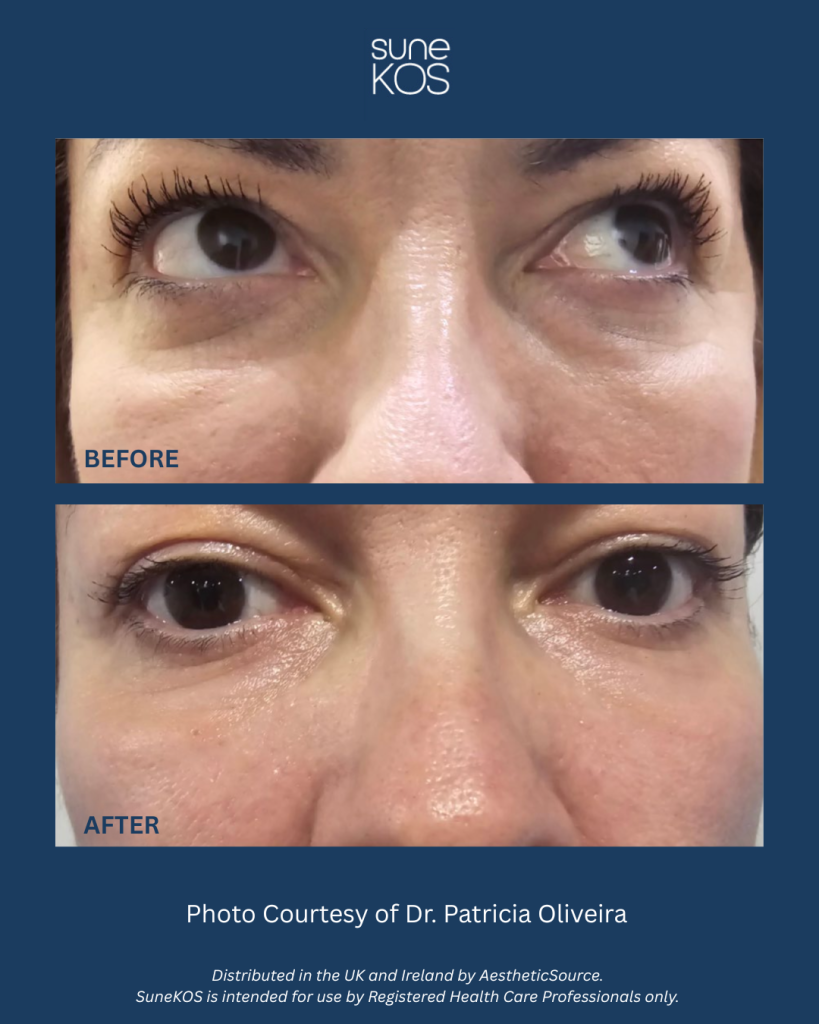
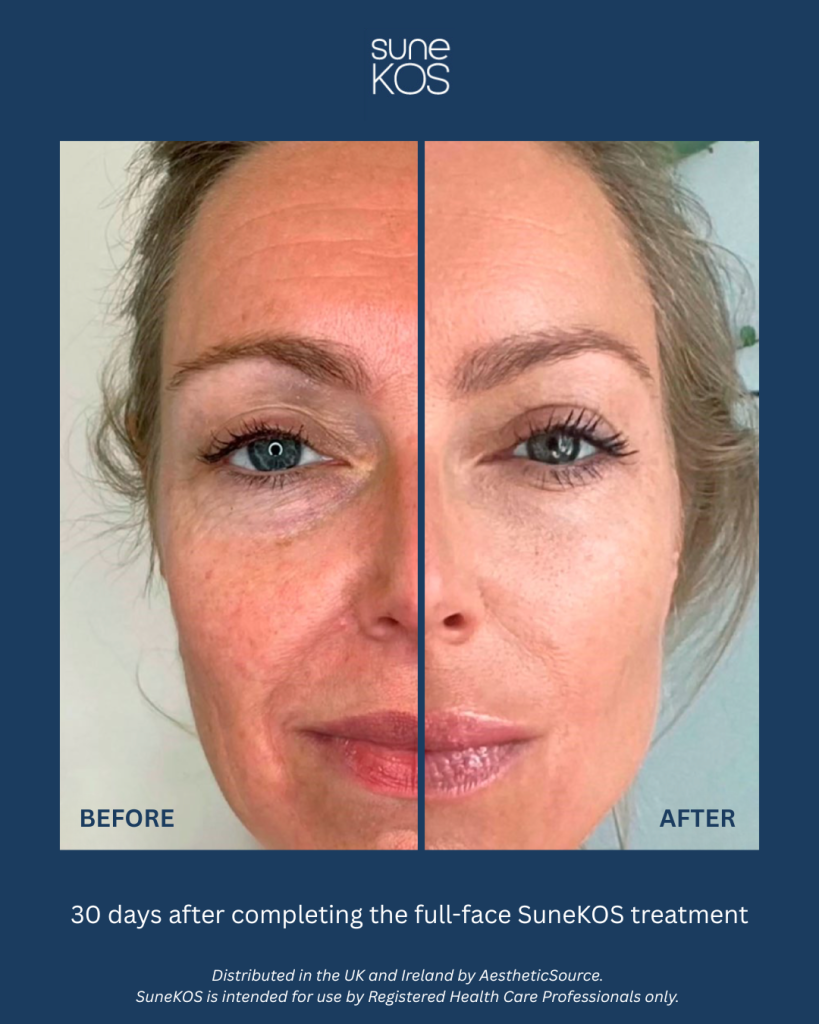




 Before and after one treatment


 Sunekos has been around since 2020.