Dr Teri Johnson MBChB is Medical Director of Cheshire Lasers in Middlewich, established 2008. She qualified in medicine at Liverpool University in 1993 and was a GP partner at The Oaklands Medical Centre for 25 years, retiring from general practice in 2025. She is GMC registered, a full member of the British College of Aesthetic Medicine, a BCAM appraiser since 2015, and Save Face accredited.
Look at our reviews and let our customers help you decide.
View our reviews
Our reviews from Fresha, Reviews.io, Google and Facebook are gathered together below. To read them on each website:
Fresha: our largest collection. Fresha rates us Best in Class, with over 1,400 five-star reviews, and only accepts reviews from clients after a verified visit.
Look at her reviews below and let her patients help you decide.
How do I leave a review about Dr Hazlehurst?
To publish a review about a treatment you have recently had with Dr Hazlehurst, please visit Reviews.io, an independent review website. The reviews on this site can be anonymous, or you can leave just part of your name or an initial if you prefer not to be identified.
Alternatively, we can publish your review on this page. Just email your feedback and we can publish it, provided you give us permission and an email address to confirm the review is genuine.
Dr Kathryn Hazlehurst patient reviews
“I had my lips done for the very first time and I was really nervous, but Dr Kathryn was very friendly. She was very professional and knowledgeable, talked me through the procedure and made me feel very comfortable, as she knew I didn’t like needles very much. She was amazing and I’m really happy with the results. They look super natural, my lips but better. I will definitely come back when I need my top up.”
“Excellent treatment, clearly explained, and a follow-up appointment in place. Staff at the centre are all very professional and helpful too. Would recommend Cheshire Lasers without hesitation.”
“Dr Hazlehurst has been amazing, very prompt and caring service. Always makes you feel informed, comfortable and at ease. Would recommend her 100%.”
“Dr Hazlehurst was very knowledgeable, made sure I understood everything and was lovely. I was left with a plan for the future too. She is also very approachable.”
“The procedure was fully explained, important health questions asked, follow-up ointments given to treat the areas, and I am not experiencing any pain post-procedure. Dr Hazlehurst was also very pleasant and made me feel comfortable.”
“Dr Kathryn Hazlehurst is extremely knowledgeable, professionally trained and confident in the treatments she performs. Dr Kathryn put me at ease straight away, provided recommendations and answered any questions. I’m looking forward to my treatment in the next couple of weeks.”
“Care and consideration given by everyone I came into contact with. Dr Hazlehurst provided a great outcome. I would highly recommend her; you will not be disappointed.”
“My 1st appointment with Kathryn made me feel very comfortable with her approach and expertise. I will be back to her for further visits soon.”
“Brilliant service from start to finish. Dr Hazlehurst was very helpful and I’m delighted with the results.”
“My first visit to Cheshire Lasers clinic, and I would definitely recommend them. I had my treatment with Dr Hazlehurst, who is so professional, putting you at ease from the start and explaining the treatments in detail. Really happy with my results. Thank you.”
“I am very happy with the treatment I received with Dr Kathryn Hazlehurst. She is professional, friendly and attentive. I emailed her with a concern I had a few days after my treatment and she replied promptly, even though it was after office hours, and set my mind at rest. I also highly appreciate that there was a review appointment 2 weeks after my initial treatment.
2 weeks on, I am very happy with the execution of the Botox and I am pleased with the results. I will be returning to Dr Hazlehurst for future treatments.”
Cheshire Lasers is a Medical, Aesthetic, and Beauty Clinic established in 2008. It is located in the heart of Cheshire, just a few miles from Junction 18 of the M6.
Microtoxin, also known as Microtox, Micro-Botox, or Mesobotox, is an advanced skin rejuvenation treatment designed to improve overall skin quality rather than alter facial movement.
Using highly diluted botulinum toxin, tiny microdroplets are placed into the very superficial layers of the skin across the face and neck. Unlike traditional anti-wrinkle injections, which target deeper facial muscles, Microtox works within the skin itself to create a smoother, brighter, more refined complexion while preserving natural facial expressions.
The result is the coveted “glass skin” appearance – healthy, luminous, smooth skin with improved texture and radiance.
What concerns can Microtox treat?
Microtox is ideal for improving skin quality and can help with:
Enlarged pores.
Oily or greasy skin.
Fine lines and crepey skin.
Rough or uneven skin texture.
Dull or tired-looking skin.
Facial sweating.
Redness associated with rosacea.
Overall skin radiance and luminosity.
It is suitable for both the face and neck.
How does Microtox work?
Microtox works differently from traditional botulinum toxin treatments.
Instead of relaxing the muscles responsible for expression lines, the diluted botulinum toxin is delivered into the superficial layer of the skin. This allows it to:
Reduce the activity of superficial oil glands.
Minimise facial sweating.
Improve skin texture and smoothness.
Reduce the appearance of enlarged pores.
Calm inflammation and facial redness.
Improve skin quality while maintaining natural facial movement.
The treatment enhances the skin without creating a frozen appearance.
Smaller-looking pores by reducing oil gland activity.
Reduced oil production for less greasy skin.
Less facial sweating helps skin stay fresher throughout the day.
Smoother skin texture with softer fine lines.
Brighter, more radiant skin with improved luminosity.
Natural-looking results without affecting facial expressions.
Reduced redness, making it a useful treatment for some patients with rosacea.
Is Microtox suitable for rosacea?
Microtox may help improve redness associated with rosacea by reducing inflammation and constricting superficial blood vessels within the skin.
While it is not a cure for rosacea, many patients notice reduced facial flushing and a more even skin tone. During your consultation, Dr Kathryn will advise whether this treatment is suitable for your skin concerns.
What happens during the treatment?
The treatment usually takes around 10 to 15 minutes.
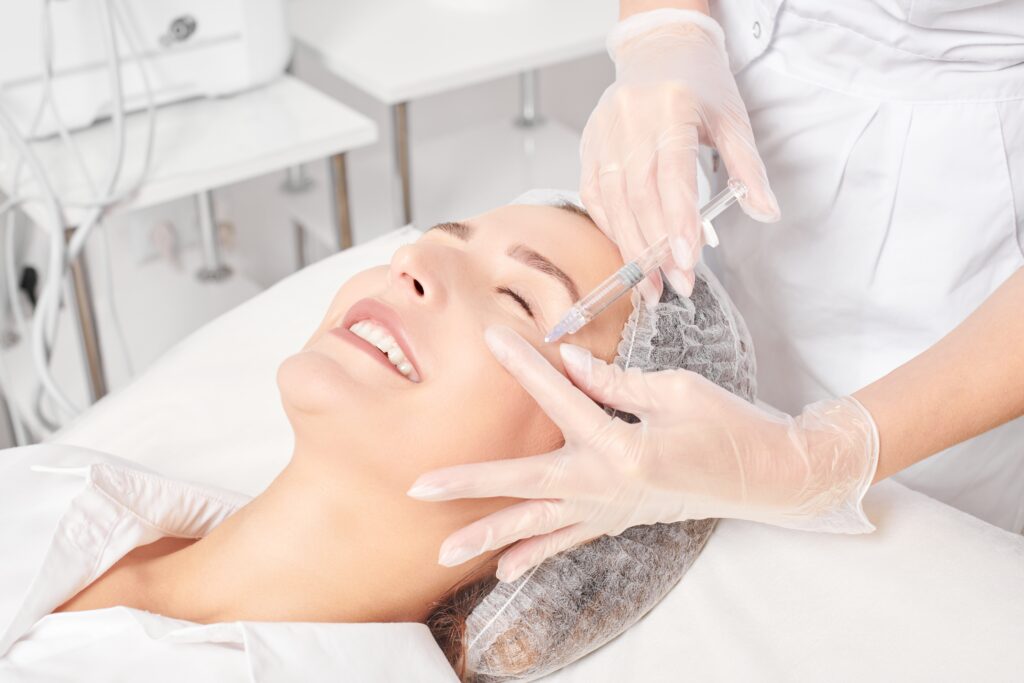
Using a very fine needle, Dr Kathryn makes multiple tiny injections of diluted botulinum toxin just beneath the skin across the treatment area.
Most patients find the treatment very comfortable, with only minimal discomfort.
Is there any downtime?
Downtime is minimal.
Immediately after treatment, you may notice small bumps, mild redness, or occasional minor bruising at the injection sites. These effects usually settle within 20 to 30 minutes, allowing most patients to return to their normal activities straight away.
When will I see the results?
Many patients begin to notice improvements within the first week, with the full results developing after approximately two weeks.
Your skin should appear smoother, brighter, more refined, and more radiant, with a characteristic glass-skin glow.
How long do the results last?
Results typically last 3 to 4 months, although this varies by individual.
Regular maintenance treatments can help keep skin consistently healthy and radiant.
What should I do after treatment?
To achieve the best results, we recommend avoiding the following for the first 24 hours:
Strenuous exercise.
Excessive heat, including hot tubs and saunas.
Prolonged sun exposure.
Facial massages or treatments.
Dr Katherine will provide you with personalised aftercare advice following your appointment.
Why choose Cheshire Lasers?
At Cheshire Lasers, all Microtox treatments are performed by Dr Kathryn Hazlehurst, who has extensive experience in medical aesthetics and facial rejuvenation.
Every treatment begins with a detailed consultation to assess your skin concerns and develop a personalised treatment plan. Our aim is to achieve healthy, natural-looking skin with subtle enhancements that leave you looking refreshed, never overdone.
If you’re looking to achieve smoother, brighter, healthier-looking skin with the sought-after glass skin glow, book a consultation with Dr Kathryn at Cheshire Lasers.
We’ll assess your skin, discuss your concerns, and create a personalised treatment plan to help you achieve radiant, naturally beautiful skin.
Cheshire Lasers Clinic in Middlewich is excited to now offer the Sunekos 1200 Performa System.
What is Sunekos?
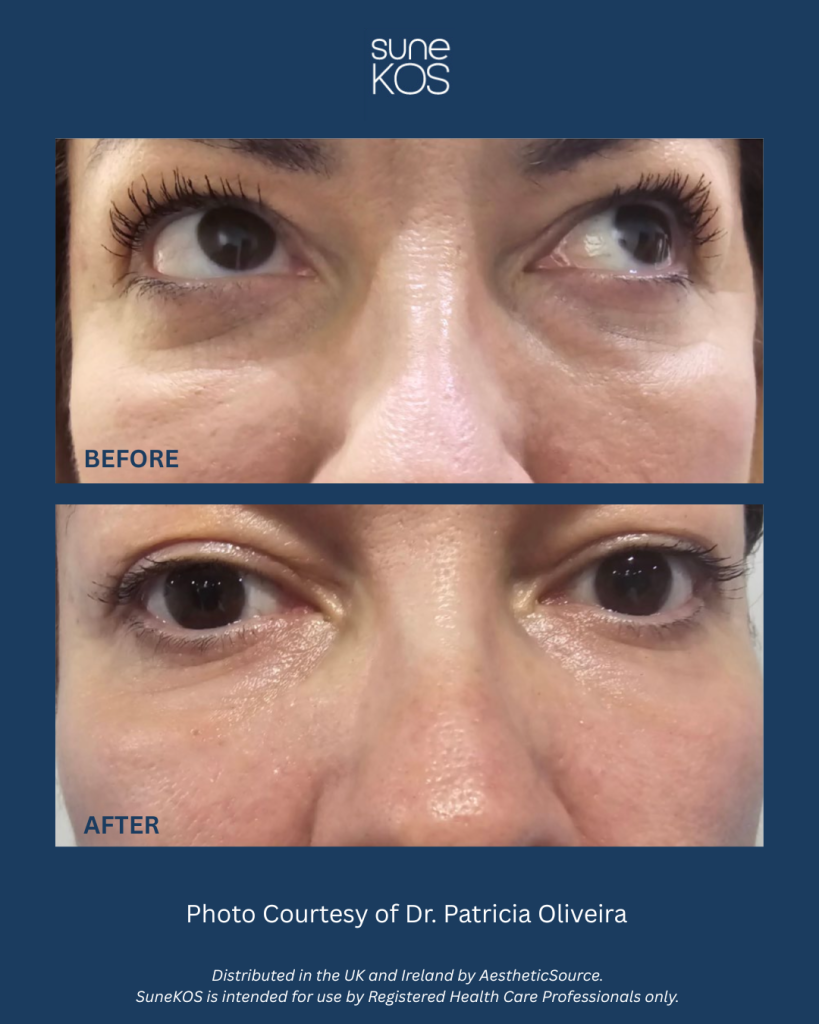
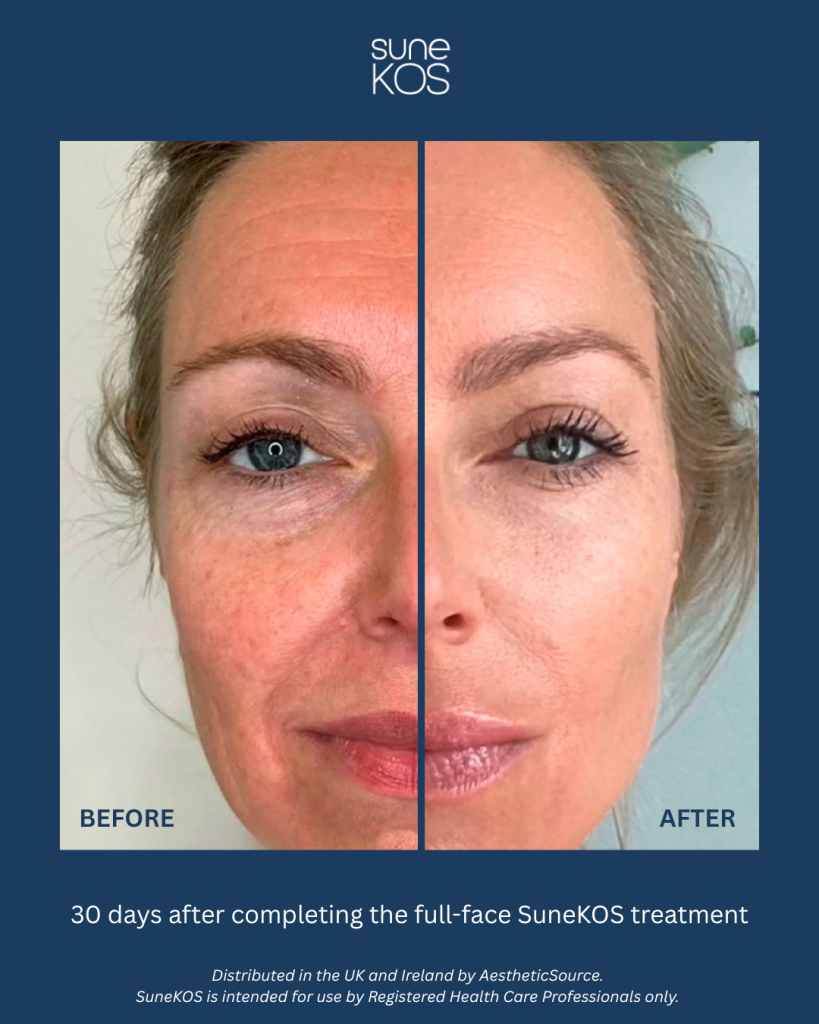
Sunekos is an injectable treatment containing 6 amino acids and Hyaluronic acid. It works by stimulating the fibroblasts in the skin to produce collagen and elastin. Sunekos helps to improve skin ageing, skin dryness, acne scarring, sun damage, loss of tone & elasticity, dark circles under the eyes and fine lines and wrinkles.
It is particularly effective in the periocular (eye) area for reducing fine lines, dark circles, and bags.
Sunekos is a natural product that not only stimulates the synthesis of collagen types 1 and 3 but also supports the synthesis of collagen types 4 and 7, as well as elastin, restoring elasticity and volume to the skin. It is a great option for people who want to improve their skin while maintaining a natural appearance.
Sunekos is also a great option for people who do not want Botox or filler treatments.
I recently had Botox and fillers. Can I still have a Sunekos treatment?
Yes. You can have a Sunekos treatment alongside other treatments to improve the quality of your skin.
Which areas can it treat?
Sunekos can treat the skin on different parts of the face and body, including the face, neck, décolleté, and hands.
Many people opt for a full-face treatment, but it can also be used on localised areas, such as the under-eye area.
It is particularly effective in the periocular area to reduce dark circles and bags, as well as on the forehead.
Sunekos can treat various indications, including loss of tone, skin ageing and premature skin ageing, skin dryness, solar elastosis, acne scarring, sun damage, dark circles under the eyes and fine lines and wrinkles.
What does the treatment involve?
A Sunekos treatment consists of a series of injections in the treatment area.
Depending on the area being treated, the Sunekos Performa protocol typically requires 3 treatments over a 4-week period. (One every 2 weeks)
Each treatment normally takes about 30 minutes.
A small percentage of people may need a 4th treatment 2 weeks later to achieve the best results.
The Sunekos 1200 Performa protocol includes an extra step during treatment 1 to address areas prone to volume loss.
Is there any Downtime?
The procedure has no downtime, and the patient can resume normal activities immediately. You will start to see some improvement after the first session.
You may have some bruising, however, which may take up to a week to resolve.
How long does Sunekos last?
Depending on the patient and their skin condition, results can last up to 6 months before the procedure is repeated.
Who performs this treatment?
Dr Teri Johnson and Dr Kathryn Hazlehurst perform Sunekos treatments at Cheshire Lasers.
It improves the skin surface, treating pigmentation and poor texture while boosting collagen and elastin to reduce wrinkles and fine lines and simultaneously tightening the skin.
Unlike traditional laser treatments that work only on the skin’s surface, Neogen also penetrates deeper layers, making it a superior option for anyone seeking to reverse signs of ageing, repair sun damage, or improve overall skin texture and tone.
How does Neogen Plasma work?
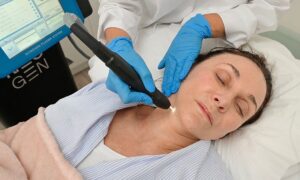
The device passes inert nitrogen gas through a high frequency energy field, which converts it into plasma — the fourth state of matter, alongside solid, liquid and gas. The handpiece delivers that plasma energy to the skin as heat.
Two things separate it from a laser. It does not target a colour in the skin, so it is not seeking out pigment or water, and it heats the whole treated area evenly rather than in a pattern of dots, so nothing is left untreated in between.
The heat reaches into the dermis, the deeper layer where collagen and elastin are made, and the controlled injury there starts the skin’s own repair process. Most of the work is done here — new collagen builds up and supports and firms the skin from within.
The heat also makes the skin peel, and that is how the changes at the surface happen. The treated outer layer stays in place as a natural dressing while the skin underneath regenerates, then sheds, reducing visible signs of sun damage and rough texture. How much peeling you get depends both on the strength of the treatment and on how your own skin responds: at lower settings it is usually minimal flaking and at higher settings more significant, but some people peel a good deal more than others at the same setting.
Some tightening is visible straight away, but most of the improvement builds gradually over the months that follow, as the new collagen forms.
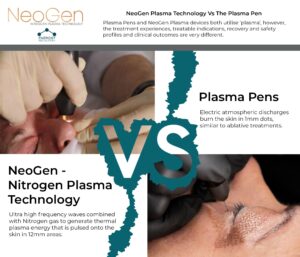
Is it similar to a Plasma Pen device?
No, it is very different from handheld devices, which create tiny injuries on the skin’s surface. Neogen uses nitrogen gas, which it converts into plasma energy. This energy treats the skin more uniformly on the surface and penetrates deeper into the skin. It improves both the epidermis and dermis layers, stimulating collagen production over time while treating a range of skin concerns.
What does a Neogen treatment involve?
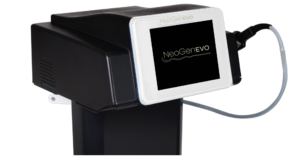
Cheshire Lasers uses the latest Neogen Plasma EVO Device, which has a range of settings to control the energy and enable various treatments, from mild to moderate to more aggressive. This ensures the outcome of the treatment chosen for you is predictable and reliable, with minimal risk of complications.
A handpiece delivers the nitrogen plasma energy and rapidly heats the skin, creating a controlled injury.
Most patients describe the feeling as warm but not painful. The intensity of the heat, however, can vary depending on the depth and intensity of the treatment. Lighter treatments feel milder, while more intensive sessions produce a stronger sensation that may require a topical anaesthetic.
The injury to the top layer leads to some superficial shedding of skin cells. This improves the skin’s texture, especially fine lines, age spots, and acne scars. It also triggers your body’s natural healing response, creating healthy new collagen and elastin, resulting in immediate skin tightening and firmer, tighter skin over time.
Whether you’re looking to enhance the overall appearance of your skin or target specific concerns, Neogen offers a tailored approach that meets your individual needs and downtime.
Which areas can Neogen Plasma treat?
At Cheshire Lasers, we mainly treat the face with Neogen Plasma; however, we also treat the body.
This is the only treatment we can use to treat the eyelids.
What skin issues can it treat?
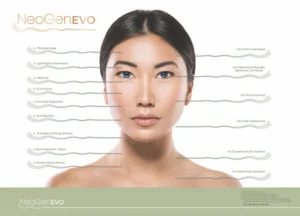
Neogen plasma skin rejuvenation is a versatile treatment that addresses a wide variety of skin concerns, including:
Hooded eyes
Eyelid laxity (inc. crow’s feet folds, heavy lids, under-eye folds)
Lines & wrinkles
Large pores
Pigmentation (sunspots, freckles)
Poor texture
Sun damage /photodamage
Skin laxity
Actinic (solar) keratosis
Scars
Stretch marks
These improve in two different ways. Large pores, fine lines, skin laxity and hooded lids improve because Neogen builds new collagen and elastin. Collagen is what supports the skin around each pore, and as it is lost with age that support goes, so the pores widen and look larger — rebuilding it firms the support again. Pigmentation, sun damage and poor texture improve as the treated surface peels away and is replaced. Scars and stretch marks improve through a combination of the two.
What are the benefits of Neogen skin rejuvenation?
If you’re considering Neogen skin rejuvenation at our Cheshire Lasers Clinic, here are some of the key benefits that make this treatment stand out:
Non-Invasive: Neogen is a non-surgical, non-invasive treatment with minimal discomfort and downtime.
Quick Recovery: Most patients can return to their daily routine shortly after treatment, with any redness typically subsiding within a few days.
Long-Lasting Results: The skin continues to improve for months after the treatment as collagen production is stimulated.
Safe for All Skin Types: Neogen plasma technology is safe for all skin tones and types, making it a versatile option for anyone seeking rejuvenation.
Customisable Treatment Levels: Whether you’re looking for a mild refresh or a more intensive anti-ageing solution, Neogen can be tailored to your specific skin needs.
What to expect during your Neogen treatment
Before your Neogen treatment, we ask that you attend a consultation with one of our specialists. They will assess your skin and create a treatment plan to suit your needs.
During the procedure, the practitioner will use the plasma device to deliver controlled energy to the treatment area, creating a warming sensation as the nitrogen plasma works its magic.
Sometimes, we will apply a topical anaesthetic, but this is only necessary if you are opting for a deeper treatment. Depending on the intensity of the treatment, sessions usually last between 30 minutes to an hour.
After treatment, we will give you some products to use on your skin for the next few days to ensure you avoid any products that may irritate or delay the healing process.
What do I need to do before and after my Neogen Plasma treatment?
How do I book a Neogen skin rejuvenation treatment?
If you’re ready to experience the incredible benefits of Neogen skin rejuvenation treatment, decide whether to start your journey with a low-intensity or a more intense doctor-led one. Then book a consultation to discover how Neogen can transform your skin and help you achieve your aesthetic goals.
Neogen Plasma starts from £200 for a small area such as the upper lip or half eye. A full face treatment starts at £500, depending on the energy level used.
Dr Teri Johnson MBChB is the Medical Director of Cheshire Lasers and has led the clinic since it was established in 2008. She qualified in medicine at Liverpool University in 1993 and was a GP partner at The Oaklands Medical Centre in Middlewich for 25 years, retiring from general practice in June 2025 to concentrate on aesthetic medicine.
She is registered with the General Medical Council, a full member of the British College of Aesthetic Medicine, an appraiser of aesthetic doctors for BCAM since 2015, and a Save Face accredited practitioner.
She first trained in botulinum toxin and dermal fillers with BCAM in 2006 and has trained in aesthetic medicine continuously since. Her full aesthetic training record from 2006 onwards is listed on her own website.
Dr Teri treats a focused range of areas herself with wrinkle-relaxing injections, dermal fillers and collagen stimulators. Our associates and specialists carry out other treatments at the clinic. If you are a new patient and would like to see her, please complete this New patient enquiry form. She can review your details and advise whether she can help with your concern; if not, she can recommend the best person to see.
Dermal fillers are injectable treatments that reduce the appearance of wrinkles, lines and deeper folds, rejuvenating the skin to give a more youthful appearance.
Are Dermal Fillers Permanent or Temporary?
Dermal fillers are classified into two types: non-permanent (resorbable) or permanent (non-resorbable).
Non-permanent fillers last 6-18 months, depending on the product used.
Dr Teri Johnson and her associates only use resorbable fillers because permanent fillers have a much higher risk of permanent side effects.
What do Dermal Fillers contain?
In the 1980s, collagen was the first dermal filler approved in the USA.
However, the leading dermal fillers in the UK mostly contain hyaluronic acid. Hyaluronic acid is a natural component of our own skin which can be synthesised artificially to create a dermal filler. Hyaluronic acid-based fillers have the advantage that they can last 4 to 18 months, depending on the product. They can be broken down by the enzyme hyaluronidase if needed, so the filler can be removed more rapidly if necessary.
Other non-permanent dermal fillers contain ingredients such as Poly-L-lactic acid and calcium hydroxyapatite which stimulate collagen while in the skin.
Which Dermal Filler should I have?
Dr Teri Johnson and her associates at Cheshire Lasers collectively have had many years of experience performing thousands of treatments with various dermal filler brands. This experience has helped them determine which fillers work best in different areas for different skin types and indications to give the effect they want to achieve. Some dermal fillers suit some skin types more than others. There is no perfect filler; different ones last longer in some people than others. Different skin types respond better to different products.
At your consultation, your medical practitioner will assess your skin type, thickness, hydration, texture, and the problems you hope to address. They can then recommend the most appropriate treatment for you and will show you some before and after images of her previous treatments that she has performed with that product to enable you to decide if the treatment is for you.
If you have had dermal fillers in the past, giving your medical practitioner as much information as possible about the treatment is helpful. It will benefit you and them to know which products have been used and where they were injected. It is also helpful to know whether the treatment gave you the results you expected and whether you had any unwanted effects.
Dermal fillers come in different thicknesses; in general, the thicker products help contour the face. Whilst thinner products are great for hydrating tissues, they are also more effective at treating finer superficial lines.
Dr Kyra Drinnan primarily uses Juvederm, Teosyal, HArmonyCa and Radiesse dermal fillers. She has advanced dermal filler training and can use them to treat a wide range of problems, including lips, marionette lines, cheeks, tear troughs, chins, jawlines, hands and full face treatments.
Dr Kathryn Hazlehurst
Dr Kathryn Hazlehurst uses mostly Stylage in her practice. She loves sculpting cheeks to add definition and restore the triangle of youth and improving ratios to enhance the facial profile. She also enjoys full-face and lower-face rejuvenation, including correcting downturned smiles.
Dr Will Allen performs mole removal at Cheshire Lasers. He is a highly qualified Consultant Cosmetic and Facial Reconstructive Surgeon with extensive experience in facial anatomy, skin surgery, and reconstructive procedures. Having spent more than a decade operating within the NHS, Dr Allen has developed exceptional surgical expertise in the diagnosis and treatment of skin lesions, facial skin cancer, cosmetic reconstruction following trauma, and the correction of facial deformities.
He has specialist training in both general plastic surgery and facial plastic surgery, including advanced training in Liverpool. His extensive experience operating on the face means he plans every procedure with meticulous attention to safety and cosmetic appearance, helping achieve the best possible result while minimising scarring wherever possible.
Is my mole checked before it is removed?
Yes. Dr Allen examines every mole before removing it, and mole removal at Cheshire Lasers is for moles he is satisfied are harmless.
If he has any concern about a mole, he will not remove it here. He will arrange for it to be removed at another clinic, where it can be sent for laboratory analysis.
How do you remove Moles?
Shave excision and surgical curettage are the most common and easiest methods for removing a protruding mole.
Before the procedure begins, local anaesthetic injections are used to completely numb the area, helping to keep you comfortable throughout the treatment. Occasionally, a very thin layer of the underlying skin is also removed. This area heals naturally from the edges and the base, so stitches are usually not required.
The procedure is for raised moles, not flat moles, which require full surgical removal.
What are Moles?
Moles are common skin lesions that can occur at any age. They are usually not harmful; however, if they are prominent, they can make people self-conscious.
What will it be like after treatment?
After the procedure, the area will remain numb for an hour.
It will look like a flat scab, and the wound will feel like a graze.
The scab will fall off naturally after a week, leaving a flat pink area. The pink area usually returns to normal skin colour after a few weeks. Sometimes, however, the skin may be l permanently lighter or darker following removal.
Does mole removal hurt?
The area is numbed with local anaesthetic before the mole is removed, so the procedure itself should not be painful. The anaesthetic is the part most people notice. The area stays numb for about an hour afterwards, and the wound then feels like a graze rather than a cut.
Will I have a scar?
The wound heals from the edges and the base rather than being stitched, so it usually settles as a flat mark rather than a raised or drawn line. A scab forms, falls away naturally after about a week, and leaves a flat pink area that fades over the following weeks.
Occasionally the skin stays slightly lighter or darker than the skin around it. Dr Allen will talk through what to expect for your particular mole at the assessment.
How long does a Mole Removal Treatment take?
A Mole removal treatment takes up to an hour,
This allows Dr Allen to assess your mole and make sure it is suitable for treatment. He will then discuss the procedure in more detail and obtain your consent.
Once the anaesthetic has taken effect, the removal procedure usually takes only a few minutes. Stitches are rarely needed, and heat is used to cauterise any blood vessels afterwards.
Most patients cannot believe how quick and easy mole excision is, and often say that they wish they had done it sooner.
How much is mole removal?
Choosing an experienced facial surgeon for mole removal offers reassurance that a clinician with advanced surgical expertise, detailed knowledge of facial anatomy, and a commitment to high standards of patient care will perform your treatment.
If you are not sure which treatment you need, email photographs of the area from a couple of different angles to cheshirelasers@hotmail.co.uk. It’s helpful if you let us know how long the lesion has been there and whether it’s changing in any way. We will ask our specialists to review your email and advise our reception team on who you should see. Sometimes we will ask you to book a consultation first.
How to book a mole removal appointment
You can contact us to make your appointment or book online. Choose one of the following options
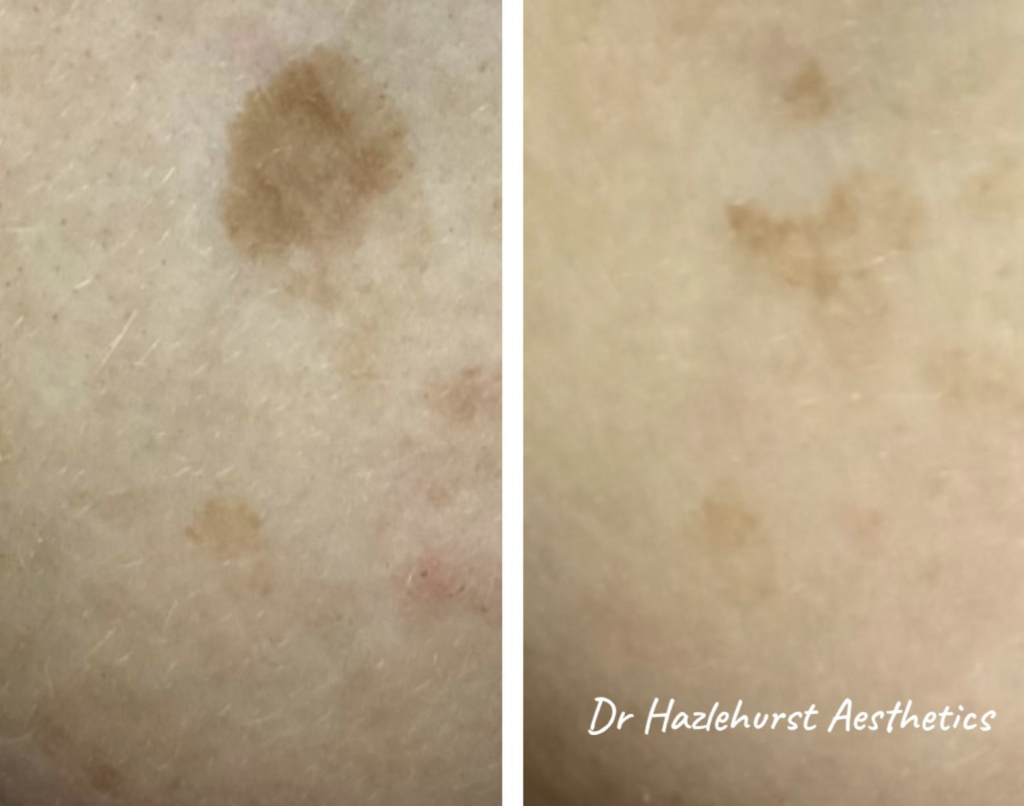
Age spots—also known as sun spots or liver spots—are a common form of pigmentation caused by prolonged sun exposure. These flat, brown marks typically appear on the face, hands, and other sun-exposed areas, creating an uneven skin tone.
At Cheshire Lasers, we offer a range of advanced treatments to effectively reduce or remove age spot pigmentation, helping you achieve clearer, brighter, and more youthful-looking skin.
What Are Age Spots?
Age spots (also known as sun spots or solar lentigines) are flat, brown patches caused by long-term sun exposure. They commonly appear on the:
Face
Hands
Décolletage
Arms
These pigmented areas form due to excess melanin production triggered by UV damage, and often become more noticeable over time.
Are freckles the same as age spots?
No. Freckles usually appear in childhood, often run in families, and fade during the winter. Age spots develop later, from years of accumulated sun exposure, and do not fade on their own. Both respond to IPL and laser treatment — you can read more on our page about pigmentation removal with IPL and laser.
The Most Effective Age Spot Removal Treatments
Cheshire Laser Clinic offers a full range of clinically proven pigmentation treatments, enabling us to treat both localised spots and widespread sun-damaged areas.
When considering which treatment suits you, it’s important to be aware that there are three aspects to consider:
Remove existing pigment with your treatment of choice
Reduce pigment production
Prevent recurrence
The following treatments remove existing pigment :
Best Treatments for Individual Age Spots
IPL (Intense Pulsed Light) Treatment
Targets pigmentation using light energy
Breaks down melanin in the skin for natural removal
Ideal for superficial sun damage
Can not be used on suntanned skin
Suitable for skin types 1 to 3
Provided by our Laser Technician
Laser Pigmentation Removal
More aggressive treatment for stubborn or deeper pigmentation
Can not be used on suntanned skin
Cryotherapy for Age Spots
For small, well-defined superficial lesions
Freezes and destroys the entire treatment area
Age spots darken and flake off naturally
Provided by Dr Hazlehurst
Treatments for Diffuse Pigmentation & Sun Damage
Chemical Peels and Resurfacing Treatments
Exfoliate pigmented surface layers
Brighten and smooth the complexion
Ideal for widespread pigmentation
Neogen Plasma Skin Regeneration
Advanced nitrogen plasma technology
Resurfaces the skin and simultaneously improves pigmentation
For more stubborn pigmentation, we may recommend a prescription regimen of products such as the Obagi Nu-Derm system. This option is provided by Dr Hazlehurst.
Treatments that Prevent Recurrence
The most important treatment here is SPF. We recommend a high SPF / sunblock at all times before, during, and after your treatment.
Book Your Age Spot Removal Consultation
Our expert team will create a personalised treatment plan using the most effective technologies for your skin.
Book a consultation with Sultana, our Laser Technician/Aesthetician, to discuss IPL/Laser, Skin Peels, Skin Resurfacing Treatments, and our topical skin treatments.