Dr Teri Johnson MBChB is Medical Director of Cheshire Lasers in Middlewich, established 2008. She qualified in medicine at Liverpool University in 1993 and was a GP partner at The Oaklands Medical Centre for 25 years, retiring from general practice in 2025. She is GMC registered, a full member of the British College of Aesthetic Medicine, a BCAM appraiser since 2015, and Save Face accredited.
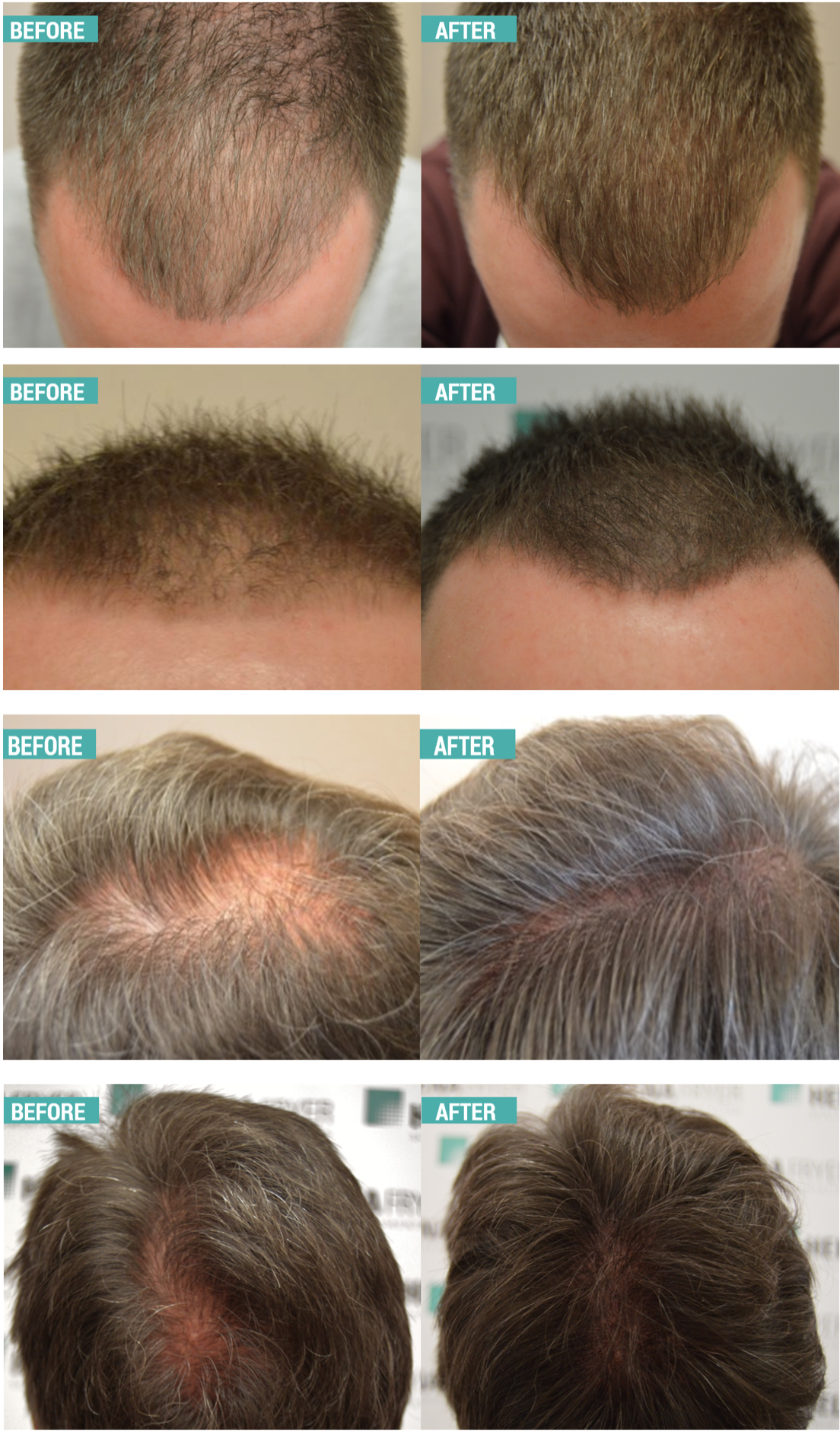
The specialists working at Cheshire Lasers Clinic provide several methods for improving the effects of hair loss.
Here at Cheshire Lasers, we understand that hair loss can be a very sensitive subject to discuss. It is essential that you find the right Clinic for your treatment, but most importantly the right treatment that meets your needs with someone you can trust.
Treatments available for Hair Loss at Cheshire Lasers:
Scalp Micropigmentation is a non-surgical, cosmetic solution for males and females suffering from hair loss and thinning hair. The treatment creates the illusion of real hair.
PRP has been around since the 1970s and was first used in 1987 in an open-heart surgery procedure to promote healing.
The platelet has growth factors, and each growth factor helps in cell regeneration of a certain place in the body. Growth factors are also known to activate the proliferative phase and transdifferentiation of hair and stem cells and produce new follicular units.
PRP injection for androgenic alopecia is a simple, cost-effective and feasible treatment option for hair loss.
For many women, pregnancy is an exciting and life-changing event. Unfortunately, for some, many of the common symptoms of pregnancy can taint this wonderful time of life.
Mums-to-be massage treatments are suitable for pregnant women between 12 and 36 weeks gestation.
Pregnancy massage is safe as long as you don’t have any contraindications. Jade has specialist training in pregnancy massage; she will make sure you’re positioned safely during your treatment so you are comfortable.
If you have a high-risk pregnancy or any other medical conditions, please tell us when you book so we can check with her first.
Mum-to-be Pregnancy Massage and Facial – 75 Minutes
This relaxing treatment includes a gentle, comforting tummy massage that can help reduce the risk of stretch marks, plus a body massage with a draining massage to reduce water retention and lighten ‘heavy’ legs. This treatment not only helps to relieve back tension, swollen hands and feet, but an additional express facial ensures you look as glowing as you feel.
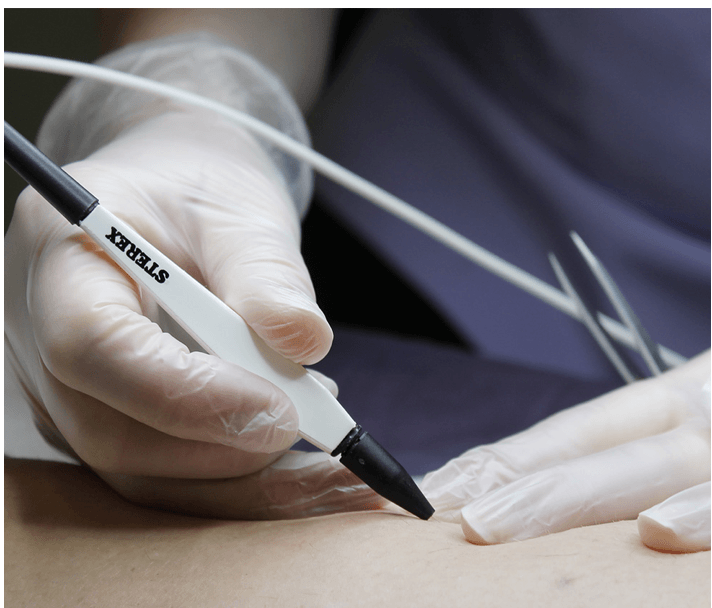
Advanced electrocautery has been used for over 100 years as an effective means of permanent hair removal & treatment for skin lesions. It comes with the advantage of being able to target very specific parts of the body and can be used to get remove or reduce skin lesions & skin conditions such as skin tags, moles, verrucas, blood spots, birth marks, seborrheic keratosis, facial thread veins and skin warts. These skin imperfections can cause people to feel very self-conscious, but can usually be removed quickly & easily.
Skin tags often appear on the body in areas of friction, such as under the arms, around the neck and around the groin. Whilst they don’t post any harm, they can be unsightly and catch on clothing. Advanced electrocautery can effectively remove skin tags with little discomfort.
A viral infection in the skin causes warts and can appear anywhere on the body. Electrocautery treatment is an effective way to remove warts from the skin.
Moles are a very common skin condition in people of any age. Whilst they’re not usually harmful, they may be unsightly if they’re in prominent places such as the face. Advanced Electrocautery can remove/shrink moles very effectively.
Verrucas
Electrocautery treatment can effectively treat Verrucas. They appear on the feet and can be uncomfortable; they may spread via communal showers such as those found in gyms or swimming pools.
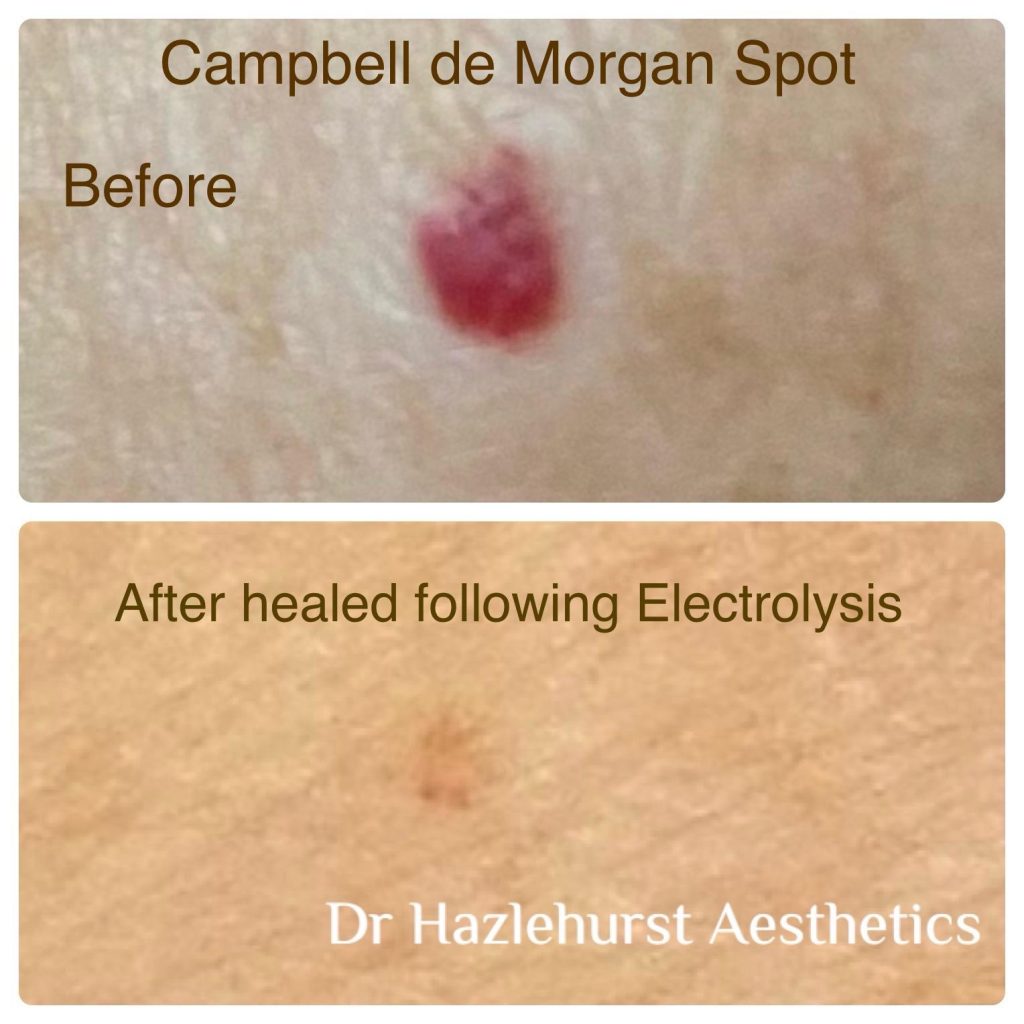
Blood spots (Campbell de Morgan spots /cherry angiomas)
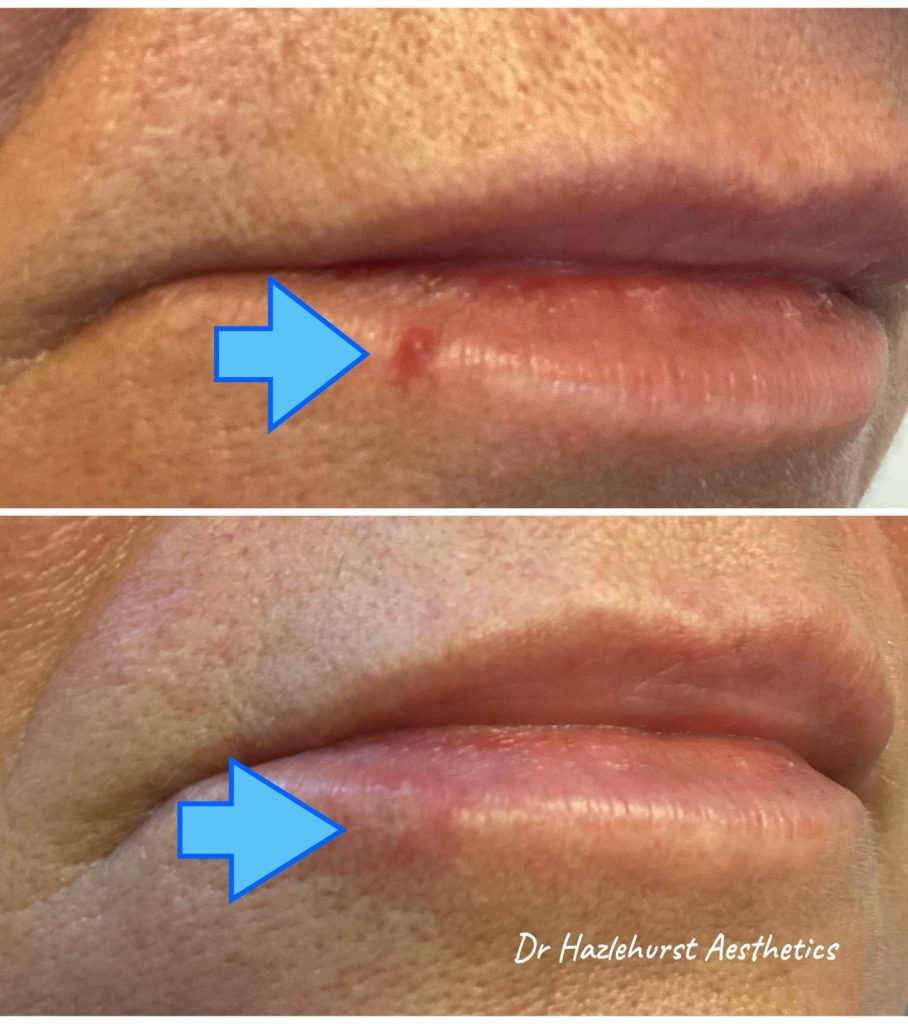
Electrocautery can effectively treat blood spots. Blood spots are red, vascular blemishes that can occur at any age but are much more common in men than women.
Age spots
Age spots occur because of an accumulation of lipofuscin due to ageing. Electrolysis can remove age spots quickly and effectively in men and women of all ages.
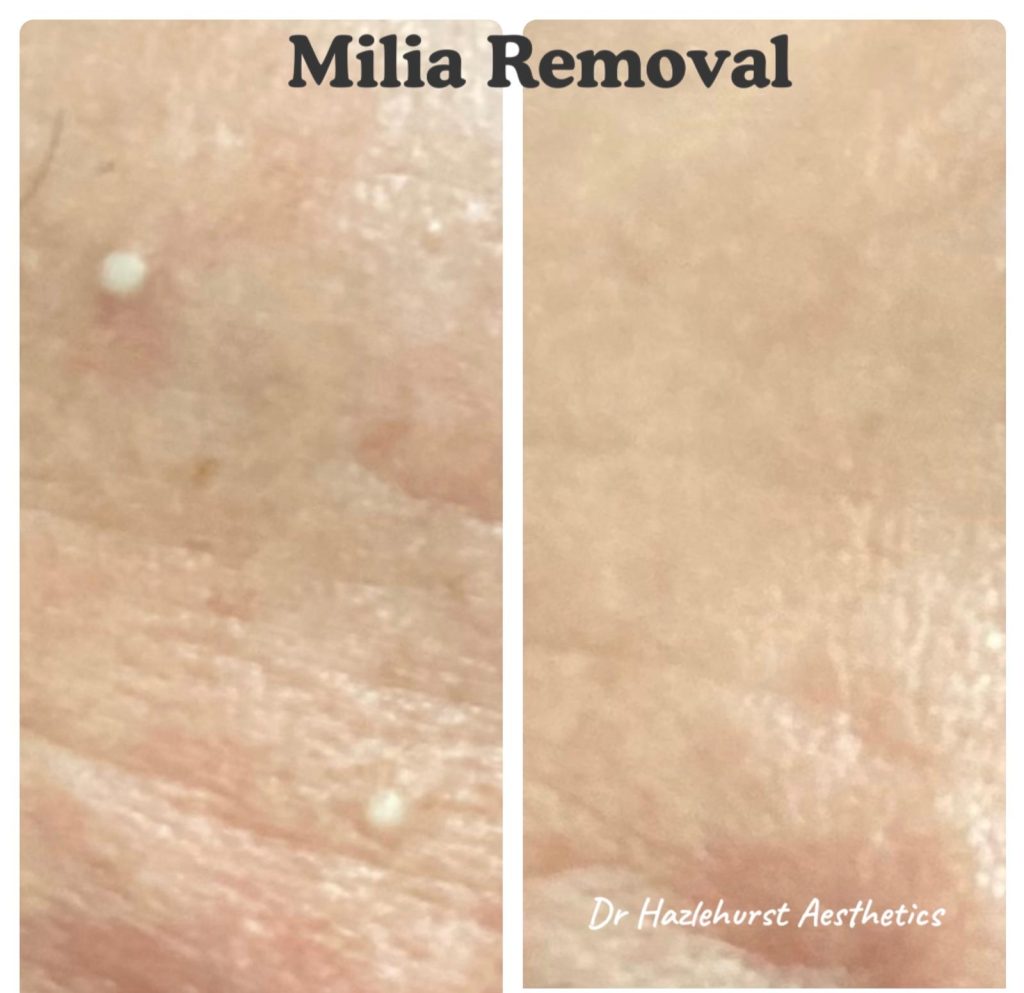
Milia are hard, white keratin bumps that vary in size often seen around the eyes and cheeks. Electrocautery is effective at treating milia without leaving any marks behind.
Sebaceous hyperplasia
These bumps are the result of damage, which leads to overproduction of sebum by the sebaceous gland. The damaged sebaceous glands can become enlarged or blocked. This turns them into bumps that may be soft or hard, with a white or yellow surface. They respond very well to electrocautery.
Seborrheic keratosis is one of the most common noncancerous skin growths in older adults. A seborrheic keratosis usually appears as a brown, black or light tan growth on the face, chest, shoulders or back. The growth has a waxy, scaly, slightly raised appearance & responds well to electrocautery.
Cysts
Cysts can vary in size and can be due to a range of problems. Electrocautery can treat cysts that develop due to sebum build under the skin. Smaller cysts can be treated successfully using electrocautery treatment to dry up the cyst’s contents.
Syringoma
Syringomas are small, flesh-coloured bumps commonly appearing around the eyelids and upper cheeks. Electrocautery can reduce the size of the bumps without leaving any marks behind.
Facial Thread Veins (Spider Naevi and Telangiectasia)
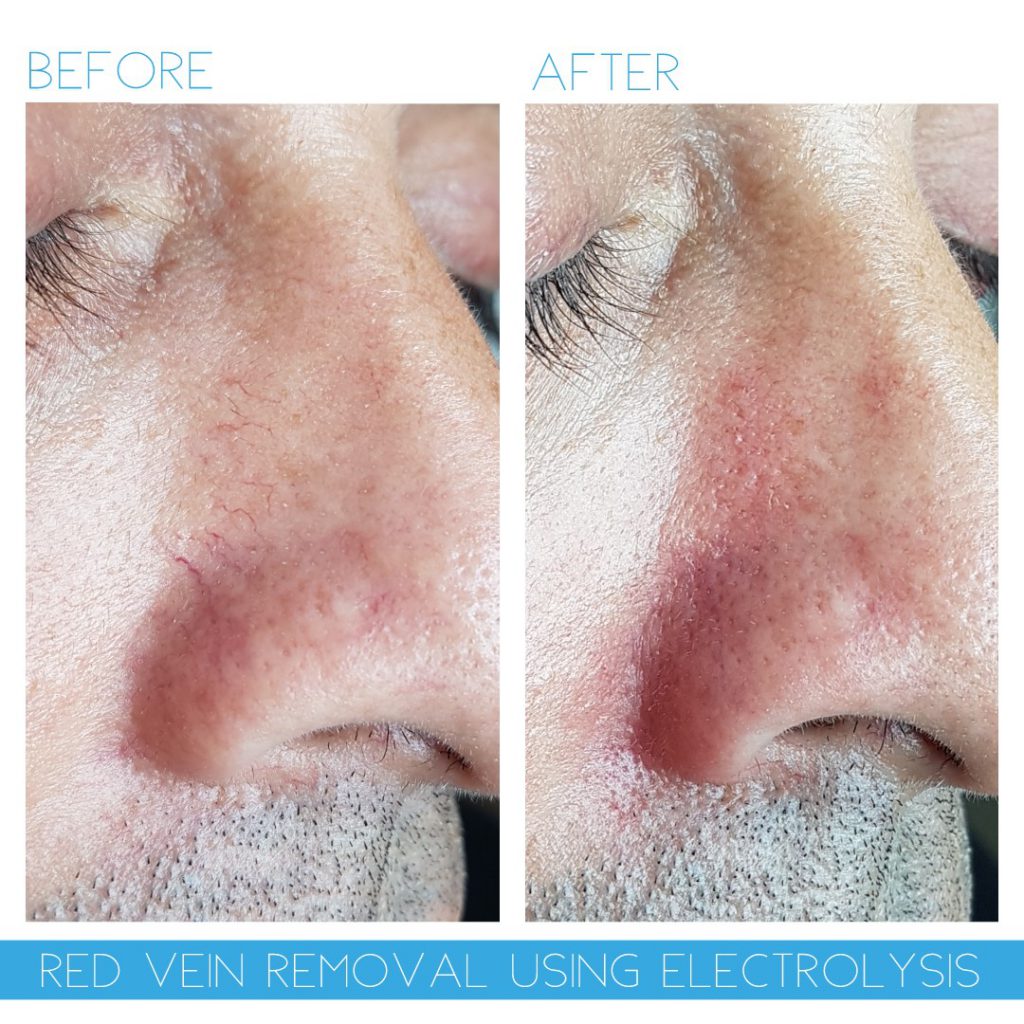
Spider Naevi and Telangiectasia are dilated blood vessels that cause the appearance of redness on the skin. They often appear on the cheeks or over the face. Electrocautery can treat them effectively without damaging the skin.
Scars
Scars are difficult to treat and whilst electrolysis cannot change the shape or colour of a scar, it can sometimes smooth out the skin and remove the raised appearance of scars.
Advanced electrolysis and advanced electrocautery — what is the difference?
They are the same treatment. The machines use the same technology; it is usually called advanced electrolysis when a therapist performs it and advanced electrocautery when a doctor does. Doctors often use more advanced machines.
How do Electrolysis and Electrocautery work?
Electrolysis is a permanent hair removal process that works by treating the base of the hair follicle with a tiny amount of electricity and therefore eliminating its ability to grow new hair. A tiny needle is inserted into the hair follicle and the current is applied.
Electrocautery also generates energy to heat & shrink various skin lesions or conditions.
Is Advanced Electrocautery Painful?
Not normally.
Depending on your electrocautery treatment, you may not need any anaesthetic, but we can use topical or an injectable treatment to provide you with an experience that’s comfortable and with minimum pain.
Can Electrocautery treat skin imperfections on any part of the body?
Yes. The only exceptions to this are the nostrils and inner ears.
How many treatments will I need?
This will vary from one patient to the next and also depends on the reason for your treatment.
The number of treatments you need depends on the problem.
A single skin tag is easy to remove in one treatment
However, some problems, such as warts and thread veins, require a course of treatment and can recur at a later date.
How long will my treatment session last?
The average treatment ranges from 15 to 30 minutes. It will depend on how many lesions you need to remove. The amount of time per treatment also depends upon the reaction of your skin to treatment and your sensitivity.
What are the side effects?
Side effects of electrocautery are usually minimal to some crusting and redness around the treated areas for a few days. An area may remain pink for a few weeks after treatment.
Who Performs Advanced Electrocautery at Cheshire Lasers?
Dr Will Allen, Facial Surgeon, and Dr Kathryn Hazlehurst perform Advanced Electrocautery.
Dr Allen removes larger skin lesions and moles, and Dr Hazlehurst removes smaller lesions.
How much is advanced electrocautery?
Advanced electrocautery at Cheshire Lasers is £140 for one or two lesions, or one small patch of thread veins. Additional lesions are £80 each, and a follow-up treatment for a single lesion is £80.
Dr Will Allen and Dr Kathryn Hazlehurst charge the same for the treatment itself, but their consultations differ. Dr Hazlehurst’s consultation is £50, taken off the price of your first treatment, and she can carry out skin lesion removal during the consultation. Dr Will Allen’s consultation is £100 and is not deducted from the treatment price.
Advanced electrocautery and advanced electrolysis treatments carried out at Cheshire Lasers.
Send us a photograph first
If you are not sure which treatment you need, email photographs of the area from a couple of different angles to cheshirelasers@hotmail.co.uk. It’s helpful if you let us know how long the lesion has been there and whether it’s changing in any way. We will ask our specialists to review your email and advise our reception team on who you should see. Sometimes we will ask you to book a consultation first.
To book advanced electrocautery at Cheshire Lasers phone 01606 841255 or book your appointment online here:
pHformula is a skin resurfacing system with actions between a cosmeceutical and a medical prescription treatment.
Skin Resurfacing and Peels stimulate the production of collagen and new skin cells to deliver fresher, healthier-looking skin.
What is different about pHformula?
pHformula has taken skin resurfacing even further and has a unique mechanism of action based on over three decades of combined scientific, medical and skin health knowledge and experience.
A conventional peel uses high concentrations of acids which cause tissue damage, inflammation, and plenty of peeling.
pHformula delivers skin resurfacing treatments while preserving the integrity of your skin’s epidermis. There is, therefore, no downtime, no peeling and no impact on social interactions.
This is due to pHformula’s unique delivery complex, which provides controlled chemical resurfacing without excessive skin irritation. It’s like having a peel without peeling!
The pHformula philosophy is all about the ‘outside in’ and ‘inside out’ approach.
pHformula treatments at our Middlewich clinic
At Cheshire Lasers, we love pHformula products so much that we have created some fabulous facials using their products for anti-ageing, boosting hydration, and promoting radiance. We also have customised facials to suit your skin concerns, be it pigmentation, chronic redness, or congestion.
We also provide their resurfacing treatments. They offer a wide range of peels, exfoliators, and active ingredients which can be tailored to your needs, as well as a range of different strengths of resurfacing treatment.
The resurfacing systems target the needs of your skin type:
anti-ageing
hyperpigmentation
chronic redness
acne
Different treatments can be combined to create a bespoke program with controlled strength and depth depending on your skin’s sensitivity levels.
Whether you already have good skin or a specific skin concern with pHformula, we can tailor a regime for you in terms of in-clinic treatments and skin care products for daily use at home.
pHformula Home Care Kits
A.G.E. Home Kit
Recommended for use before and after your anti-ageing in-clinic treatments.
However, it also works on its own as a home treatment.
The A.G.E. pre and post-resurfacing kit includes:
A.G.E. active 20ml
A.G.E. recovery 30ml
E.X.F.O. cleanse 100ml
P.O.S.T. recovery cream 50ml
Chronic Redness Home Kit
Recommended for use before and after your treatments for redness in-clinic treatments.
However, on its own, it works well to reduce red, inflamed skin as a home treatment.
The C.R. pre and post-resurfacing kit includes:
C.R. active 20ml
C.R. recovery 30ml
E.X.F.O. cleanse 100ml
P.O.S.T. recovery cream 50ml
A.C.N.E. Home Kit
Controlled pre and post resurfacing care during treatment prescriptions.
The A.C.N.E. pre and post resurfacing kit includes:
A.C.N.E. active 20ml
A.C.N.E. recovery 30ml
E.X.F.O. cleanse 100ml
P.O.S.T. recovery cream 50ml
M.E.L.A. Home Kit
Controlled pre and post-resurfacing care during treatment prescriptions.
The M.E.L.A. pre and post-resurfacing kit includes:
M.E.L.A. active 20ml
M.E.L.A. recovery 30ml
E.X.F.O. cleanse 100ml
P.O.S.T. recovery cream 50ml
ABC Mini Kit
Combines all your vitamin creams easily in this one kit.
Perfect for taking away with you, the kits contain three travel sized vitamin creams, A, B, and C.
Vitamin B3 prevents and reverses visible signs of redness, pigment changes and skin ageing.
Retinol is Vitamin A which stimulates cell regeneration. It reduces the appearance of fine lines, wrinkles, and age spots.
Vitamin C prevents and reverses visible signs of skin ageing and pigment changes.
Product Reward Scheme
Whenever you purchase a product at Cheshire Lasers Clinic, don’t forget to collect your points for our Rewards Scheme.
Every time you spend £50 on our skincare at Cheshire Lasers, we will reward you with 50 points.
Save up your points and use them to claim a free treatment.
Do you get dry, flaky skin? Have you ever wondered why?
In the colder months, more people suffer from dry skin in the UK. The air is drier in the winter, which predisposes to evaporation of moisture from the skin’s surface. The cold outdoor air and the dry indoor heating systems commonly used in the UK exacerbate this issue. These environmental conditions decrease the skin’s natural moisture content, leading to dryness, flakiness, and tightness.
Frequent temperature fluctuations between cold outdoor environments and heated indoor spaces can disrupt the skin’s natural barrier function. This can compromise the skin’s ability to retain moisture, making it more susceptible to dryness and irritation. This lipid barrier helps seal in moisture to protect the skin from external stressors, but if weakened, it allows water to escape and irritants to penetrate more easily.
How can I stop my skin drying out?
Skin needs extra hydration and support to maintain the skin barrier this time of year. If the barrier is broken down, it will need even more TLC to help repair the problem.
Here at Cheshire Lasers, we have various SOS home treatments specially formulated to address these problems. With daily use, they can treat or prevent the problems you encounter this time of year. Find out more about our SOS products here.
Using a humidifier at home can help increase indoor humidity levels, counteracting the effects of dry heating systems.
Consider changing your cleansers to something more gentle avoiding perfumes and stronger acids.
We also recommend our SOS Hydrating pHformula Facial.
What does the SOS Hydrating Facial Involve?
Step 1: Cleanse EXFO Cleanse
Step 2: Skin is primed to improve the absorption of the active ingredients.
Step 3: Optional: LED Light Therapy for 25 minutes for a Deluxe Treatment
Step 4: Gentle skin resurfacing treatment depending on your skin type: SP Complex, Dermabrasion Cream, CR Complex 1-2 or INSTANT Mask
Step 5: Mask to suit your skin type: SOS Sheet Mask, HYDRA Gel Mask, or Advanced Peel-Off Mask.
After your treatment, you will receive a mini SOS homecare kit worth at least £22, made up from a selection of pHformula samples such as EXFO Cleanse, SOS Oil, Vita B, SOS Repair and an SOS Sheet Mask.
CACI micro-current is our most popular non-surgical facial treatment. This page answers the questions we are asked most often – how it works, whether it is right for you, what to expect, and what it will not do.
Softens and reduces the appearance of wrinkles and fine lines
Encourages collagen production to plump tissue
Lifts sagging muscles
Tones flabby or sunken areas
Tightens and reduces open pores
Improves colour and texture of the skin
Reduces puffiness and dark circles under eyes
Gives youthful appearance to the skin
Takes 10 to 12 sessions over 5 to 6 weeks and then just monthly sessions to maintain
One of the safest facial treatments available – non-invasive, with no needles and no downtime
Does CACI really work?
Yes – although results will vary depending on the nature of your skin, tissue and muscles. For the younger person or the person with good facial structure, Microcurrent is a workout for the facial muscles and, in hand with regular skin care, will help to delay the ageing process.
For those whose features are already beginning to slacken, the Microcurrent will remind the muscles what they should be doing, whether the muscles need to relax, such as on the forehead and frown lines, or need to tighten, such as the cheeks, brows and neck.
Over time, the treatment will help promote collagen production and stimulate tissue and muscle mass, which is essential to the anti-ageing process.
It will not eliminate creases or deep wrinkles but will soften them. Although Micro-current is often referred to as the Non-Surgical Facelift, in practice it has a natural effect with comments such as “you look great”, “you look five years younger”, “have you had your hair done”, and “have you been on holiday?” Just like working out in the gym, you will need to have maintenance treatments in order to keep the gains made.
How does CACI Microcurrent work?
Microcurrent was originally used in the medical world to treat Bell’s Palsy. It was used to restore muscle tone by applying tiny microcurrent electrical impulses to the affected muscles. It is now being increasingly used for a variety of uses, including promoting soft tissue repair.
As we grow older, our facial muscles naturally start to lose tone and elasticity, making us look older.
Microcurrent treatments apply tiny pulses of energy through cotton-tipped probes into the tissue and muscle and out again to the other cotton-tipped probe. The muscle is either stretched or squeezed as the energy passes through. The tiny current stimulates the Golgi mechanism, or brain, of the muscle to remind it what it used to do. As with any muscle work, it takes a number of sessions for the results to build up and stay. As well as affecting the muscle structure, the Micro-current stimulates collagen production and generally helps with the skin tone.
Why have a CACI Microcurrent treatment?
Following over 20 years of research and development, CACI International offers a solution to combat this loss of muscle tone using CACI Microcurrent facial toning therapy.
CACI uses a unique combination of specific waveforms and ultra-low frequencies that work in harmony with the body’s own bio-electrical field, transmitting tiny electrical impulses and signals that have been documented to stimulate muscle tone and enhance skin tissue.
CACI uses a unique bio-feedback mechanism that automatically adjusts the micro-current output delivered according to each client’s bio-electrical field.
This proven technology is available in thousands of aesthetic clinics as it is a painless, effective treatment, commonly referred to as “facial toning” or “the Non-Surgical Facelift”.
What does a CACI Microcurrent treatment involve?
At Cheshire Lasers, our CACI Microcurrent treatments include an express facial, beginning with a thorough cleanse. We then apply a thin layer of Micro-current gel. The CACI machine then delivers the treatment energy using two sets of probes that stretch or tighten the muscles. You may feel the tugging and pulling from these actions and will soon grow used to them. You may end up sleeping and feeling incredibly relaxed! We will treat each area several times. You might feel a small sensation from the current, but likely only around the upper lip, which could be like a tingling. You may sometimes have an interesting flashing when working around the eyes, although these have never yet been migraine-inducing. If you have metal fillings, you may taste the metal in your mouth when working on the outside of your cheeks!
We will remove the gel and cleanse your face once again before applying serums, moisturiser and an SPF chosen especially for your skin. For the first treatment, allow an extra 20 minutes to perform a consultation and to take photographs.
Treatment sessions vary from 15 to 70 minutes, depending on the treatment you have.
We will take Photographs at the beginning and end of the treatment course for comparison. We never use photos without your consent.
Am I suitable for CACI Microcurrent treatment?
Yes, Microcurrent is suitable for most individuals, for all ages from 30s through to 70s; however, results will very much depend on the individual.
Most people can have this treatment with the usual exceptions such as pregnancy; skin thinning medications such as Roaccutane; cancer; epilepsy; thrombosis; or a pacemaker or any rhythmic heart device fitted.
Wait at least two weeks after any Botox or filler treatments.
Wait a week after skin peels, although you can book a skin peel or a microdermabrasion straight after Microcurrent.
Simple fillings and dental implants are usually not a problem, but metalwork inserted following facial fractures and metal braces can be a problem, and we can discuss this.
What should I expect after a CACI treatment?
Your skin may be pinkish for a short time after treatment, but this will subside quickly. Normal activities can proceed immediately, and no special aftercare is required except to drink extra water to aid lymph drainage, which will have been stimulated by the treatment. Your face may feel tighter or firmer, and these effects will be less noticeable after a few treatments as this will become the norm. Your skin texture will improve, and if you wear make-up you may find it applies better or that you may want to wear less.
How many treatments do I need, and how often?
Generally, a course of 10 to 12 treatments is recommended with two a week, at least 24 hours apart, for about 5 to 6 weeks.
After a course of CACI facial toning treatments, facial contours will look lifted and toned.
A monthly top-up treatment is then recommended to maintain results.
How long do CACI results last?
CACI results are cumulative, and they are maintained rather than permanent.
After a full course of 10 – 12 treatments, the effects gradually fade over the following weeks and months. Without maintenance, you could expect much of the benefit to be lost within around two to three months. That is why we recommend a monthly top-up treatment once your course is complete.
Micro-current works on the facial muscles, so the effect behaves much like exercise. Keep it up and the tone is maintained; stop altogether and it gradually goes.
How long it holds varies from person to person. Age, skin condition and how complete your initial course was all make a difference, which is why we recommend the full course rather than a few one-off treatments.
If you do leave it and want to start again, you will need another course rather than a single treatment. How long that course needs to be depends on how much the effect has faded, so the longer you leave it, the more treatments you are likely to need.
What does a CACI treatment feel like?
The treatment feels curious at first, and then you will soon settle in to relaxing and enjoying it, and then feeling energised and rejuvenated. At first you may feel sceptical that anything is actually happening, but by the time the first treatment is completed, you will feel for yourself. Sometimes it can be a bit tingly in places, and we can discuss this. Some older clients may have very thin or tight skin around the temples, and we will adapt the treatment as necessary to be comfortable.
Are there any side effects?
Side effects are extremely rare and can include erythema (redness) but will disappear within a few hours.
What are the disadvantages of CACI?
CACI is non-invasive and needs no downtime, but it is not right for everyone and it is worth knowing what it cannot do.
The results are temporary. CACI is not a permanent alternative to surgery, and regular treatments are needed to maintain the effect.
It takes a commitment of time. Some people see visible results after the first treatment, but the benefits are cumulative. We generally recommend an initial course of 10 – 12 treatments, two a week if possible, followed by a maintenance treatment each month.
The results are subtle compared with surgical procedures. CACI enhances and maintains facial tone and appearance rather than producing a dramatic structural change.
It is not suitable for everyone. It cannot be used during pregnancy, or by people with epilepsy, a pacemaker or another implanted electrical device, or anyone who has had recent facial surgery. That is not a complete list, which is why we check your suitability at consultation before treatment.
Is a CACI facial worth it?
That depends on what you want from it.
A CACI facial is a relaxing experience like any other facial. It is time to put your feet up, with the added benefit of improving your skin and giving your face a subtle lift. If you have the time to spare and would like a regular pampering session that does something as well, then yes, it is worth it. We have excellent feedback from our clients and many of them return every month for more. You can also combine it with other treatments to improve your skin tone and texture.
Here at Cheshire Lasers we have seen significant improvements around the eye area, and the CACI Eye Revive is now one of the ten most popular treatments in the clinic.
It is probably not for you if:
You are expecting the more dramatic results you would get from surgical or injectable treatments.
You do not have the time to invest in a course.
You want something that lasts a long time without maintenance.
That said, the CACI Eye Revive is worth knowing about even if a full course does not appeal. A single treatment gives a temporary lift and brightening around the eyes that lasts up to a few days, which makes it a good choice before a wedding, a party or any occasion you want to look your best for.
Are CACI home devices as good as a treatment in clinic?
They are genuinely useful, but they are not the same thing, and they work best alongside professional treatments rather than instead of them.
A CACI home device can help maintain facial tone and give the skin a fresher, more lifted appearance. Used regularly it is a worthwhile addition to a skincare routine.
The first difference is the machine itself. A home device is a small handheld unit. The CACI machine you see in clinic is a large trolley system with a range of attachments, and we use:
Standard probes, for precision work on individual facial muscles.
Quad and Jowl Lift probes, for larger areas, specifically targeting the jaw muscles.
Enhanced Tissue Repair (ETR) pads, which use a gentle flow of micro-current to target areas of concern, helping to improve the appearance of blemishes, fine lines and scar tissue while supporting the skin’s natural repair processes.
Hydratone rollers, used in the Hydratone add-on and in every CACI Eye Revive treatment, which gently massage the skin while delivering micro-current through the Hydro mask, intensively hydrating the skin while restoring firmness and facial muscle tone.
The second difference is the therapist. The results are all about technique, and two therapists can get different results from the same machine. Ours are trained specifically on it and adapt each treatment to your face rather than working through a fixed routine.
So if you are choosing between them: a course of professional treatments is what gets you the result, and a home device is a good way to maintain it in between.
Can CACI help with Bell’s palsy?
CACI was originally developed to assist with facial paralysis, and micro-current has since been used by practitioners to support facial muscle stimulation and re-education in people with Bell’s palsy.
At Cheshire Lasers we have treated patients with a history of Bell’s palsy using CACI, with variable results.
We want to be clear about what we can and cannot offer. Our therapists are trained to carry out CACI for anti-ageing and cosmetic reasons. They are not trained in the advanced medical protocols that some practitioners have developed specifically for facial palsy.
If you have recently developed facial weakness, please see your GP rather than booking a treatment. Bell’s palsy needs prompt medical assessment, and the majority of cases improve substantially on their own.
If you are living with longer-term weakness following Bell’s palsy, please speak to your GP first, as they know your medical history. If they are happy for you to try it, do get in touch and we will talk it through before you book anything. We have a frank and realistic conversation with everyone in this position, so that expectations are clear before any treatment begins.
Consultation Procedure before treatment
You must undergo a consultation with one of our CACI-trained aestheticians to obtain details about your medical history and confirm your suitability for treatment. Before proceeding with treatment, you will also be asked to complete a consent form.
Surgeon Dr Will Allen performs xanthelasma removal at our clinic in Middlewich. He has specialist consultant training in cosmetic and facial reconstructive surgery and extensive experience treating the eye area.
Xanthelasma can be safely and effectively removed. Treatment focuses on eliminating the visible plaques while preserving the delicate eyelid skin and minimising scarring.
As these lesions do not typically resolve spontaneously, removal is often performed for cosmetic reasons. However, if lesions are enlarging or causing irritation, treatment may also improve comfort.
How Do You Remove Xanthelasma?
Dr Allen will need to see you for a consultation to perform a thorough assessment and determine the most appropriate removal approach. He will discuss your treatment options to ensure the best possible outcome.
Dr Allen sometimes removes them via electrocautery under local anaesthetic.
He may, however, recommend a small surgical excision, as healing may be better. If surgery is recommended, you may need to attend a local specialist minor surgery clinic for the procedure.
Recovery and Aftercare
Post-treatment expectations may include:
Mild swelling or redness
Formation of small crusts (particularly with energy-based treatments)
Temporary pigment changes in some skin types
Healing generally occurs within 7–14 days, although complete skin remodelling may take several weeks. Strict sun protection and adherence to aftercare instructions are essential to optimise cosmetic outcomes.
Will Xanthelasma Come Back?
Recurrence is possible, particularly in patients with underlying lipid abnormalities. Addressing modifiable risk factors, including cholesterol management and lifestyle optimisation, may help reduce recurrence risk but does not guarantee prevention.
What are Xanthelasma?
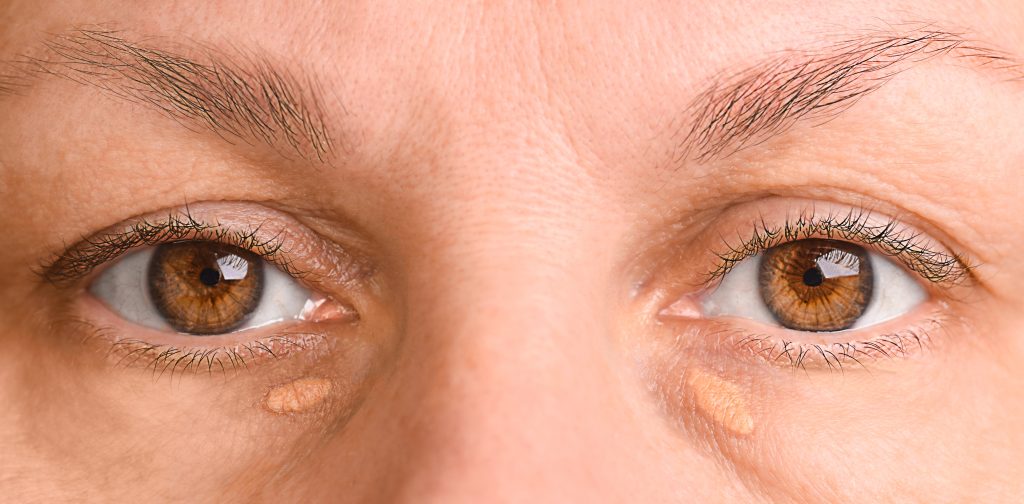
Xanthelasma are soft, yellowish cholesterol-rich plaques that typically develop on the upper or lower eyelids, most commonly near the inner corners of the eyes. They form within the superficial dermis and, while benign and painless, can become more noticeable over time.
Why Do Xanthelasma Develop?
Xanthelasma are composed of lipid-laden foam cells deposited within the skin. Contributing factors may include:
Elevated cholesterol or triglycerides
Familial hyperlipidaemia
Increasing age
Genetic predisposition
Certain metabolic conditions
Some patients have no obvious underlying systemic abnormality.
Although xanthelasma are often associated with lipid metabolism disorders, many patients with normal cholesterol levels also develop them. For this reason, it is always a good idea to arrange a clinical assessment and blood lipid testing with your GP.
How Much is Xanthelasma Removal?
Xanthelasma removal at Cheshire Lasers starts from £499 for one eye using local anaesthetic and electrocautery, or £799 for both eyes. Removal by excision and suturing costs £724 for one eye or £1,299 for both eyes.
A consultation with Dr Will Allen is needed before treatment. This costs £100 and is not deducted from the price of your treatment.
If you are not sure which treatment you need, email photographs of the area from a couple of different angles to cheshirelasers@hotmail.co.uk. It’s helpful if you let us know how long the lesion has been there and whether it’s changing in any way. We will ask our specialists to review your email and advise our reception team on who you should see. Sometimes we will ask you to book a consultation first.
Book a Consultation
If you are concerned about xanthelasma or would like to explore removal options, a clinical assessment can determine the most suitable treatment for your individual case. Early treatment of smaller lesions often produces the most favourable cosmetic outcomes.
Should you prefer more information before your consultation, please email us at cheshirelasers@hotmail.co.uk so we can send your query to Dr Allen. Enclosing a photograph can often be helpful.
The following changes make us prone to skin wrinkles:
Excessive facial expressions/smoking create dynamic lines in the stratum corneum and then the dermis
Epidermal cell turnover reduces so the very top layer “the stratum corneum” is present for longer subject to the causes of ageing
The stratum corneum layer becomes more dehydrated so the lines show more
The dermis the supportive structure underneath becomes thin, less vascular and loses collagen.
The fat layer under the dermis reduces.
Facial Expressions
Facial expressions such as pursing the lips cause dynamic lines. These lines are usually seen in people that smoke due to the repetitive movements from the act of smoking. However, smoking also causes other physiological changes making smokers more prone to wrinkles all over.
Interestingly facial expression lines are often are seen around the mouth in non-smokers who have the habit of repeatedly using the muscles for their facial expressions.
Epidermal Cell Changes
The epidermis is the very top layer of skin which acts as a protective barrier. The lowest layer is the “Stratum Basale” this is where new skin cells are made. New skin cells get pushed closer and closer to the skin surface as more cells are made and over time they mature and become flatter and harder due to the keratin within them. When they reach the top layers they die and are eventually shed into the environment. As a result, these cells are found in dust throughout your home.
With age, this epidermal turnover slows down. Cell renewal time is the time a new cell takes to travel from the lowest layer of the epidermis the “Stratum Basale” to the top layer the “Stratum Corneum” and then shed off the skin.
Cell renewal time changes as we age:
Babies – 14 days
Teenagers – 21 – 28 days
Middle age – 28 – 42 days
50 and up – 45 – 90 days
That means that as we age, the top layer of skin cells forming the stratum corneum are around for a lot longer. These cells have been shown to become more dehydrated with age and have been exposed to more movement and environmental factors.
These changes mean the skin is more prone to developing wrinkles and once they develop they can be harder to treat.
Some people have a thicker stratum corneum layer and these people often need treating differently to those with a thin more hydrated stratum corneum.
Dermal Changes
The dermis the supportive structure underneath the stratum corneum becomes thin, less vascular and loses collagen with age.
The dermal thickness decreases by about 20% and the blood flow reduced by about 60%. Fibroblast activity decreases which leads to a drop in collagen synthesis. The collagen content of the dermis decreases by 1% per year throughout adult life.
The collagen remaining is less effective and loses its ability to regain its shape after deformation and also holds a lot less water.
Research has shown that wrinkles appear not so much due to the degeneration of elastin fibres, as previously thought, but also due to a decrease in the water-holding collagen and mucopolysaccharides.
Sebaceous glands produce less oil as you age. Men are fortunate and don’t experience much of a decrease until their 80s. Women gradually produce less oil beginning after menopause. This can make it harder to keep the skin moist, resulting in dryness and itchiness.
Changes in the connective tissue reduce the skin’s strength and elasticity. This is known as elastosis. It is more noticeable in sun-exposed areas (solar elastosis). Elastosis produces the leathery, weather-beaten appearance common to farmers, sailors, and others who spend a large amount of time outdoors.
Changes in the Hypodermis
The hypodermis consists mainly of fat and acts as an insulator and shock absorber. With age, there is a loss of subcutaneous fat and the skin becomes thinner and less resistant to trauma. The reduced volume of subcutaneous fat means the role of the hypodermis in limiting conductive heat loss is impaired.
When it comes to ageing the loss of fat means you lose the mattress like effect of the fat which plumps the skin out giving it a smooth appearance. As the fat goes the skin is then sat on muscle and other underlying structures which can appear wrinkly.
The mouth is an area which develops lines and wrinkles due to fat loss. This is much more common in women as they gradually lose all the fat around the mouth, whereas men are often more fortunate and keep a layer of fat. Hence why women develop lip lines a lot earlier than men.
The Obagi Nu-Derm System is a prescription-only skincare system which accelerates skin cell turnover. The system penetrates deep to improve pigmentation and damage in all layers of the skin.
Dr Kathryn Hazlehurst provides the consultations for the Obagi Nu-Derm System at Cheshire Lasers, as the treatment has to be prescribed. She can advise you which regime would suit you best and also give you advice and support throughout the treatment.
The Obagi Nu-Derm System optimises skin functions at the cellular level to help it look and act younger and healthier. The active ingredients trigger a cascade of actions that:
Promote new skin cells on the surface, resulting in smoother skin and reduced lines and wrinkles
Reduces uneven pigmentation found in freckles, melasma and age spots and prevents the formation of new pigmentation
Promotes uniform distribution of cells at the deep layers improving skin structure and evening tone
Boosts collagen and elastin production for firmer and resilient skin with fewer lines and wrinkles
Improves circulation and nutrient supply for natural hydration and healthy glowing skin
The Nu-Derm system includes:
Obagi Gentle Cleanser – a soap-free cleanser for all skin types, especially sensitive and dry skin or Obagi Foaming Gel Cleanser – for oily to normal skin types, thoroughly cleans away impurities and make-up.
Obagi Toner – uses a natural astringent that regulates the skin’s PH in order to make it more open to hydroquinone penetration.
Obagi Clear – its main active ingredient is 4% hydroquinone; it blocks the production of melanin, thus reducing hyperpigmentation problems caused by excessive peeling.
Obagi Exfoderm – its main active ingredient is a mild acid called phytic acid – it makes normal to dry skin peel even further or Obagi Exfoderm Forte – another exfoliating product based on AHA’s – glycolic and lactic acids; it’s designed to increase penetration of hydroquinone in normal to oily skin.
Obagi Blender – the product has 4% hydroquinone and is mixed with a tretinoin-based cream.
Obagi Hydrate
Obagi SunShield protects against UVA rays linked to deep, premature ageing as well as UVB responsible for burning.
How do I use the Nu-Derm system?
Prepare the skin by cleansing and toning:
Cleansing and toning makes your skin more receptive to the correction process.
Apply the cleanser recommended by us either GENTLE CLEANSER 1 or FOAMING GEL 1- to wet skin, rinse with lukewarm water and gently pat dry. Avoid rubbing the skin with a towel.
TONER 2 -Apply to entire face with a cotton ball or cotton square, avoiding the eye area.
Correct Repairs damage to the skin’s surface, correcting hyper-pigmentation (sun and age spots) and uneven skin tone while smoothing skin roughness.
CLEAR 3 – Apply Clear evenly on the entire face, extending to the hairline.
EXFODERM or EXFODERM FORTE 4 Apply evenly over entire face, avoiding the eye area. Wait until the cream is absorbed.
Stimulate Damage to the deeper skin layers is repaired. Skin elasticity is restored by enhancing the production of collagen and elastin.
BLENDER and TRETINOIN Apply 1/2 gram of Blender mixed with the prescribed amount of tretinoin. Apply evenly on the entire face, extending to the hairline. 5 (Rx only)
Protect Prevent further damage from harmful UVA and UVB rays.
Apply SunShield
Note: Prolonged sun exposure should be avoided for the first month.
What happens during the Obagi Nu-Derm Treatment?
You can expect to experience four phases as you transform into a healthier, younger-looking appearance. The length of time between the phases will vary based on age, skin type, amount of damage and compliance.
Initial phase
the damaged top layer of skin is replaced by a new layer of fresh, healthy skin cells. This process takes approximately 6 weeks.
During this phase, you can expect to experience one or more of these symptoms:
freckles, age spots and dark patches begin fading
exfoliation and flaking
redness and dryness
wrinkles and acne may look worse temporarily
These reactions are indications that the treatment is working. It is absolutely necessary to stay with the program to see these results.
Stimulation Phase
6 to 12 weeks. You begin to notice significant improvements in your skin. New skin cells continue reaching the surface and the production of collagen and elastin increases. Expect to notice:
wrinkles begin to reduce
tightening of pores
further lightening of freckles, age spots and dark patches
subsiding redness and flaking
Healthy Glow
12 to 18 weeks. In this phase, your friends will begin to notice your skin. Your skin will look and act younger and healthier. Your skin is:
firmer and more resilient
more even colour and tone
smooth and naturally hydrated
Will I Need Maintenance after the Obagi Treatment?
To keep your skin looking and acting younger and healthier, you will want to continue to use the Obagi Nu-Derm System to maintain the improved results you have achieved. By continuing with a maintenance protocol, you can expect to:
Maintain healthier, younger looking skin for a lifetime
Jade Maines of Beautology performs OPI GelColor Nails at Cheshire Lasers
What is OPI GelColor?
GelColor by OPI is a gel polish system that offers a quality long-lasting colour finish. GelColor polishes on like lacquer with OPI’s custom brush and comes in a range of Iconic OPI colours. The shine-intense shades cure in 30 seconds and last for weeks! From the fast application to the lightning-fast cure, GelColor redefines salon gel services with durable, glossy colour.
GelColour is a gel polish system similar to shellac and is considered to be one of the best gel polish systems available. It requires a special LED lamp to cure/harden the gel polish, unlike Shellac, which requires a UV lamp.
To remove the gel polish from the nails, the nails require soaking for at least 10 minutes. Jade can provide this service for a small extra charge when you return for your next gel application.
How Much are OPI Gel Colour Nails at Cheshire Lasers?
Shellac was the original gel polish system with 14+ days of colour, no matter what life brings you. Set it and forget it. It improves nails with an armour coat that lasts 2 weeks if you look after them.
It is a manicure system that goes on like a polish and lasts like gel. The treatment involves four separate coats, each set one at a time under a UV lamp. This is the curing process and is extremely simple. After each cure, the polish dries instantly. Once the final layer is set the manicure is hard and ready to go.